Leave No Trace for Beginners: The 7 Principles Explained
Leave No Trace explained for new hikers: the 7 principles in plain language, with the real-world habits that matter — poop, trash, campfires, wildlife, and trail etiquette.
In this guide
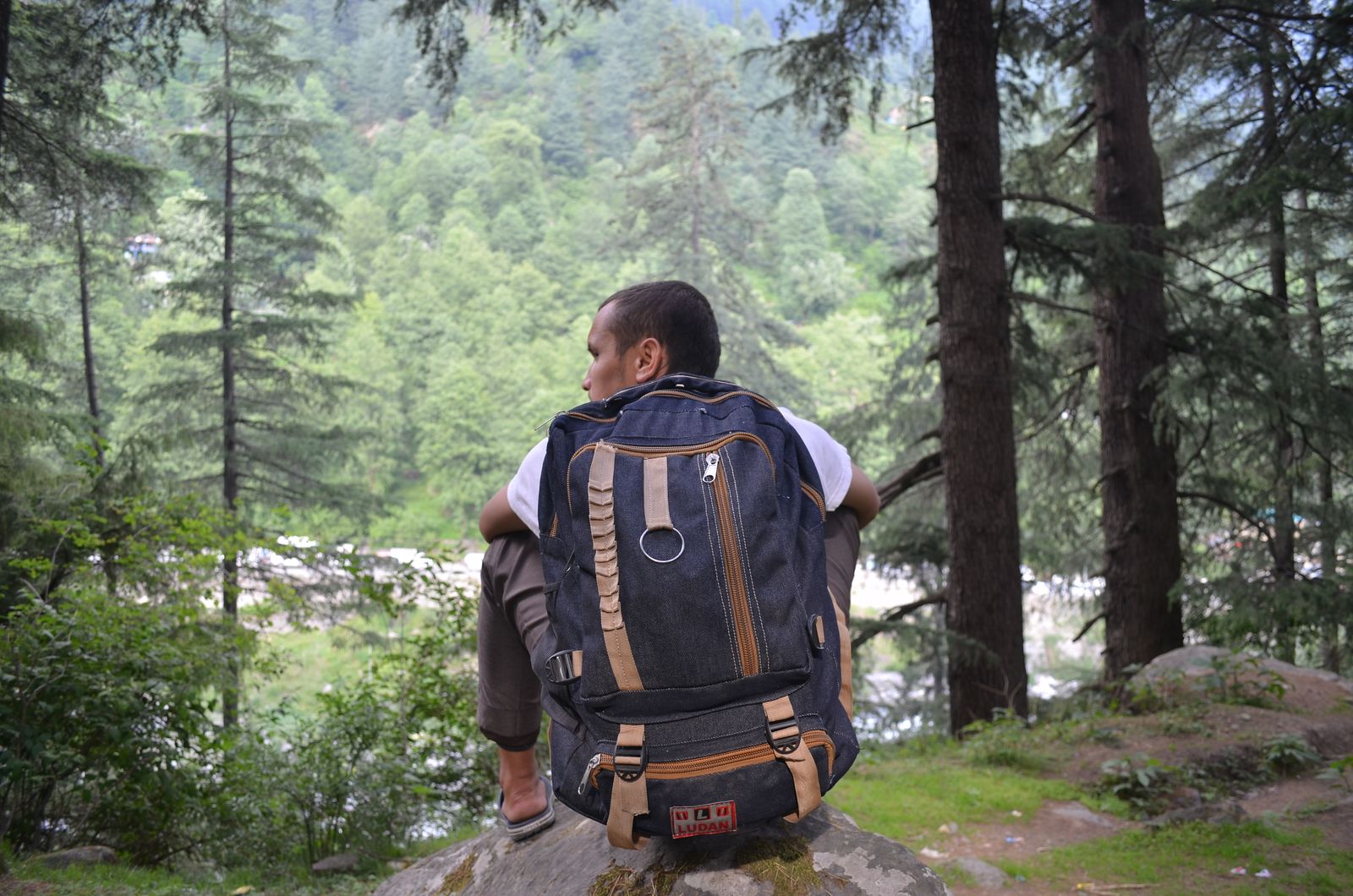
Leave No Trace sounds like a slogan until you see a trampled alpine meadow that will take decades to recover, or a “pristine” campsite littered with buried toilet paper blooming to the surface. The 7 principles from the Leave No Trace Center for Outdoor Ethics aren’t about being perfect — they’re about the handful of habits that, multiplied across millions of hikers, decide whether wild places stay wild.
Quick answer: Leave No Trace’s 7 principles: plan ahead, travel on durable surfaces, dispose of waste properly (pack out trash AND toilet paper; catholes 6–8 inches deep, 200 feet from water), leave what you find, minimize campfire impact (stove > fire), respect wildlife (never feed, store food properly), and be considerate of others.
1. Plan ahead and prepare
Most Leave No Trace failures are planning failures. Know the regulations (permits, fire bans, bear canister requirements), check weather, bring the right gear so you don’t improvise destructively — the unprepared hiker is the one who builds a fire ring in a banned area or camps on a fragile meadow because they didn’t know better. Preparation is the principle that makes the other six possible.
2. Travel and camp on durable surfaces
Stick to the trail — even when it’s muddy. Walking around puddles widens trails; walking through them doesn’t. In popular areas, camp in established sites. In pristine areas, camp on durable surfaces (rock, gravel, dry grass — never fragile alpine vegetation) and move camp nightly so no single spot takes the beating. The rule of thumb: in high-use areas, concentrate impact; in pristine areas, disperse it.
Above treeline, a single footstep on alpine tundra can kill plants that took decades to grow. Stay on rock and snow.
3. Dispose of waste properly
The principle with the most specific rules:
- Pack out all trash — everything, including food scraps. An apple core takes months to decompose and teaches wildlife to beg. Micro-trash (corners of wrappers, twist ties) counts.
- Human waste: cathole 6–8 inches deep, 4–6 inches wide, 200 feet (about 70 steps) from water, trails, and camp. Fill it completely and disguise the spot.
- Toilet paper: pack it out in a sealed zip bag. It decomposes far slower than people assume, animals dig it up, and high-use areas are full of “blooms.” This is the habit that separates beginners from experienced hikers.
- Wash water: scatter strained dishwater 200 feet from water sources. Even biodegradable soap pollutes — use it sparingly and never directly in lakes or streams.
4. Leave what you find
Don’t pick flowers, pocket rocks, or carve trees. Don’t build cairns (they confuse navigation and every “artistic” stack is someone’s misplaced marker), don’t dig trenches around tents, don’t dismantle existing structures. In high-use areas, “just one flower” times ten thousand hikers is a stripped meadow. Cultural artifacts — leave them entirely alone and report significant finds to land managers.
5. Minimize campfire impact
The honest modern guidance: bring a stove. Campfires scar the ground for years, consume dead wood that’s habitat, and start wildfires. Where fires are legal and in existing rings: keep them small, burn wood down to ash, make sure it’s dead out (cold to the touch), and scatter cool ashes. In much of the western US, fire bans make the question moot for months — check before you go, every time. A canister stove is lighter, faster, and legal everywhere.
6. Respect wildlife
Watch from a distance — if your presence changes an animal’s behavior, you’re too close. Never feed wildlife, not even “harmless” chipmunks; human food kills wild animals slowly through malnutrition, disease, and the euthanasia that follows habituation. Store food properly (see our bear safety guide — food storage is a Leave No Trace issue as much as a safety one). Keep dogs leashed or leave them home in sensitive areas.
7. Be considerate of other visitors
Trail etiquette is the social half of Leave No Trace:
- Yield properly: hikers going uphill have the right of way (they’re working hardest); step aside for horses and pack stock.
- Keep noise down — sound travels shockingly far in the backcountry. Nobody came out here to hear your speaker.
- Take breaks off the trail so others can pass without trampling vegetation.
- Keep groups small (or split large ones) — big groups dominate campsites and trails.
- Be friendly. A “hello” and a trail-condition exchange is the culture. The backcountry runs on goodwill.
The beginner’s LNT kit
Most of Leave No Trace compliance fits in a sandwich bag:
- ☐ Trowel (for catholes)
- ☐ Zip bag for packing out toilet paper (+ a pinch of baking soda)
- ☐ Extra zip bag for micro-trash
- ☐ Small bottle of biodegradable soap (used 200 ft from water)
- ☐ Knowledge of current fire bans and food-storage rules for your area
Why it matters more now
Outdoor recreation has grown enormously — trails that saw hundreds of visitors a year now see tens of thousands. The old math (“my one wrapper doesn’t matter”) breaks at scale. The good news: the new math works too. When millions of hikers pack out their toilet paper, stay on trail, and store food properly, wild places absorb the crowds. Leave No Trace isn’t about guilt — it’s about being the kind of visitor these places can sustain.
FAQ
What are the 7 Leave No Trace principles? Plan ahead and prepare; travel and camp on durable surfaces; dispose of waste properly; leave what you find; minimize campfire impact; respect wildlife; be considerate of other visitors. They’re an ethics framework from the Leave No Trace Center for Outdoor Ethics, not a rulebook — the spirit is leaving every place as wild as you found it.
How do you poop in the woods properly? Walk 200 feet (70 adult steps) from water, trails, and camp. Dig a cathole 6–8 inches deep and 4–6 inches wide with a trowel. Do your business, then fill the hole completely and disguise it with natural materials. Pack out toilet paper in a sealed bag — it doesn’t decompose as fast as people think.
Can I bury toilet paper when hiking? Technically it eventually decomposes, but in practice: pack it out. Animals dig up catholes, paper surfaces in high-use areas, and arid environments decompose it extremely slowly. A dedicated zip bag (add a little baking soda for odor) is the standard practice on well-traveled trails.
Are campfires okay when backpacking? Only where legal and in existing fire rings — and increasingly, the answer is no. Much of the western US bans open flames for months due to wildfire risk. A stove is lighter, faster, and legal everywhere. If you do build a fire, keep it small, burn wood to ash, and scatter cool ashes.
Does Leave No Trace mean I can’t pick flowers? Leave what you find means exactly that — don’t pick flowers, don’t pocket rocks, don’t carve trees. Beyond the ethics, it’s practical: in high-use areas, if every visitor took ‘just one,’ there’d be nothing left. Take photos instead.
Related guides
- Bear Safety for Beginner Backpackers — food storage protects bears and hikers
- 10 Essentials Hiking Checklist — the trowel and hygiene kit live here
- 3-Day Backpacking Packing List — the full kit, packed LNT-style
Frequently asked questions
What are the 7 Leave No Trace principles?
Plan ahead and prepare; travel and camp on durable surfaces; dispose of waste properly; leave what you find; minimize campfire impact; respect wildlife; be considerate of other visitors. They’re an ethics framework from the Leave No Trace Center for Outdoor Ethics, not a rulebook — the spirit is leaving every place as wild as you found it.
How do you poop in the woods properly?
Walk 200 feet (70 adult steps) from water, trails, and camp. Dig a cathole 6–8 inches deep and 4–6 inches wide with a trowel. Do your business, then fill the hole completely and disguise it with natural materials. Pack out toilet paper in a sealed bag — it doesn’t decompose as fast as people think.
Can I bury toilet paper when hiking?
Technically it eventually decomposes, but in practice: pack it out. Animals dig up catholes, paper surfaces in high-use areas, and arid environments decompose it extremely slowly. A dedicated zip bag (add a little baking soda for odor) is the standard practice on well-traveled trails.
Are campfires okay when backpacking?
Only where legal and in existing fire rings — and increasingly, the answer is no. Much of the western US bans open flames for months due to wildfire risk. A stove is lighter, faster, and legal everywhere. If you do build a fire, keep it small, burn wood to ash, and scatter cool ashes.
Does Leave No Trace mean I can't pick flowers?
Leave what you find means exactly that — don’t pick flowers, don’t pocket rocks, don’t carve trees. Beyond the ethics, it’s practical: in high-use areas, if every visitor took ‘just one,’ there’d be nothing left. Take photos instead.