Bear Safety for Beginner Backpackers (2026 Guide)
Bear safety for beginners: how to avoid encounters, what to do if you see a bear, black bear vs grizzly response, food storage, and bear spray — sourced from BearWise and park agencies.
In this guide
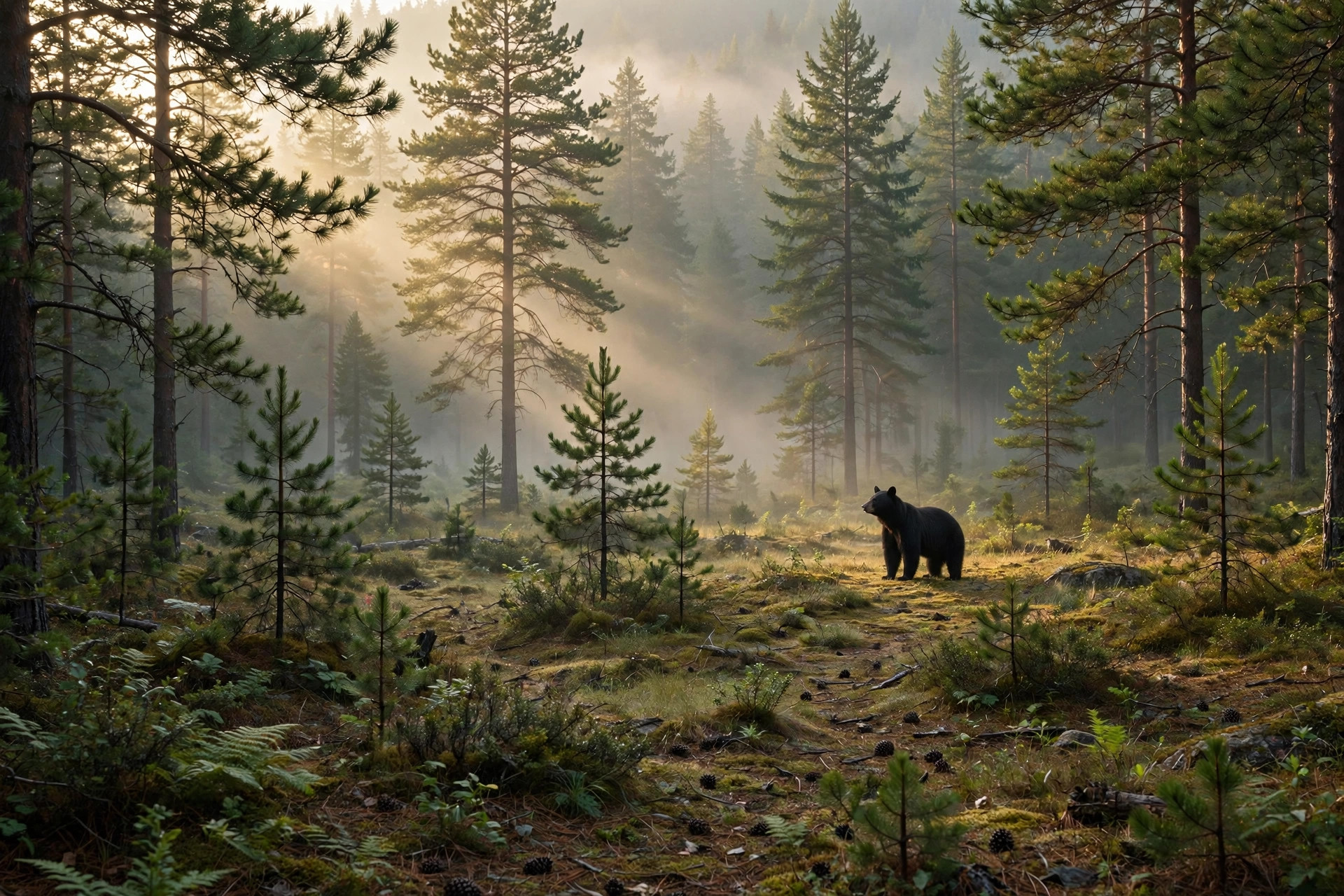
Bears are the animal beginners worry about most and understand least. Here’s the reassuring truth first: bears want nothing to do with you. Nearly every negative encounter traces back to surprise, food, or a bear defending cubs — all three are largely preventable with the habits below. This guide follows the consensus guidance from BearWise, the National Park Service, and state wildlife agencies.
Quick answer: Bear safety has two parts: avoidance (make noise, hike in groups, stay alert, store food properly) and response (never run; for black bears be assertive and fight back if attacked; for grizzlies play dead during an attack). Carry bear spray accessible — not buried in your pack — in grizzly country.
A note on sources: Bear behavior guidance evolves and varies by region. This article summarizes widely published agency guidance, but check your specific park’s current bear regulations before every trip — requirements for canisters, spray, and group sizes change.
Know which bears you’re dealing with
Black bears live across most of the US — forests, swamps, even suburbs. Color varies (black, brown, cinnamon, blonde). Smaller than grizzlies: 200–400 lbs typical. Excellent climbers. The bear you’re most likely to meet.
Grizzly/brown bears live in the northern Rockies (Yellowstone, Glacier, parts of Montana, Wyoming, Idaho, Alaska). 400–800+ lbs, distinctive shoulder hump, dished face. Far less tolerant of surprise.
Your park’s website will tell you which species are present. In grizzly country, every precaution below gets stricter.
Avoidance: the 90% solution
Almost no one who follows these habits has a bad encounter:
- Make noise. Talk, clap, call out “hey bear” around blind corners, in dense brush, near streams, and when the wind is in your face. Most attacks are surprise encounters — a bear that hears you coming leaves.
- Hike in groups. Groups of 3+ are dramatically safer; bears almost never approach groups. Solo hikers in grizzly country should be extra noisy.
- Stay alert. Earbuds in both ears in bear country is asking for a surprise. Watch for sign: tracks, scat, diggings, day beds, carcasses.
- Never approach a bear for a photo. Use zoom. A bear that feels cornered or crowded is a dangerous bear.
- Keep dogs leashed or home. Dogs provoke chases that end back at the owner — with the bear.
- Avoid hiking at dawn, dusk, and night in heavy bear country when possible — that’s when bears are most active.
Food storage: the non-negotiable
Bears that get human food become dangerous bears — and are usually euthanized. Protecting your food protects the bear’s life:
- Bear canister where required (much of the Sierra, many national parks). Hard-sided, certified, stored 100+ yards from your tent.
- Bear boxes where provided — use them, they’re there for a reason.
- Hanging where canisters aren’t required: 10+ feet off the ground, 4+ feet from the trunk, 100+ yards from camp (the PCT hang method).
- Everything scented gets stored: food, trash, toiletries, sunscreen, lip balm, the clothes you cooked in. If it smells, it goes in the canister.
- Cook and eat away from your tent — 100+ yards downwind is the standard.
- Never, ever feed a bear. Not a chip, not for a photo. A fed bear is a dead bear.
Bear spray: carry it right
Bear spray (pressurized capsaicin) is the most effective deterrent available to hikers:
- Accessible, always. Hipbelt holster or chest strap — not in your pack, not in a side pocket under your rain gear. You may have seconds.
- Check the expiration date and replace expired canisters. Practice with an inert training canister if you can.
- Deploy at 20–30 feet in short bursts, aiming slightly down to create a cloud the bear moves through. Don’t spray into the wind if you can avoid it.
- In grizzly country, it’s essential. In black-bear-only areas, it’s still wise — check local guidance.
If you see a bear: the response playbook
Do not run. Running triggers a chase response, and you cannot outrun a bear (black bears hit 30 mph). This is the single most important rule.
Identify yourself as human. Talk calmly — “hey bear, it’s okay” — wave your arms slowly, stand your ground. Most bears will move off once they realize what you are.
Give it an escape route. Don’t corner it. Back away slowly, sideways, keeping the bear in sight. Don’t turn your back.
If it’s a black bear and it approaches or follows: get assertive. Make yourself big, yell loudly, bang trekking poles together, throw small stones. Black bears that act predatory (stalking, circling) are rare but must be met with aggression — this is the “fight back” scenario.
If a grizzly charges: most charges are bluffs — the bear stops short or veers off. Stand your ground. If contact happens: play dead. Lie face down, hands laced behind your neck, legs spread (harder to flip), pack on. Stay still and silent. When the bear leaves, wait several minutes before moving — bears sometimes return.
If a black bear attacks: fight back aggressively. Punch, kick, use rocks, sticks, trekking poles — target the face and muzzle. Do not play dead with a black bear.
The memory aid taught by agencies: if it’s black, fight back; if it’s brown, lie down.
After an encounter
- Report it to park rangers or wildlife officials — your report protects the next hiker.
- Check yourself for the lessons: were you quiet? Downwind? Near a carcass or cubs? Adjust.
- Don’t let one sighting end your hiking career. A bear that moves off is normal wilderness, not a horror story.
The reality check
Fatal bear attacks in North America average in the low single digits per year across the entire continent, against hundreds of millions of outdoor visits. You’re statistically in far more danger on the drive to the trailhead. Respect — not fear — is the right register: learn the habits, carry the spray, store your food, and enjoy some of the wildest country on earth.
FAQ
What should I do if I see a bear while hiking? Stay calm, don’t run, and make yourself look large. Talk calmly, wave your arms slowly, and back away sideways while facing the bear. Most bears want to avoid you — give them an escape route and they will usually take it. If it’s a black bear and it approaches, be assertive: yell, bang trekking poles, throw small stones.
Should I play dead or fight back against a bear? It depends on the species — the standard guidance is: if it’s black, fight back; if it’s brown (grizzly), lie down (play dead). Fight a black bear aggressively with anything available. For a grizzly attack, lie face down, hands laced behind your neck, legs spread, pack on — stay still until the bear leaves, then wait several minutes.
Does bear spray actually work? Yes — studies of bear encounters find bear spray stops aggressive behavior in over 90% of cases, and it’s more effective and safer than firearms for most people. Carry it accessible (hipbelt or chest holster, not in your pack), check the expiration date, and know how to deploy it: short bursts at 20–30 feet when the bear approaches.
How do I store food in bear country? Use a bear canister where required (many parks mandate them), a provided bear box, or hang food 10+ feet high and 4+ feet from the trunk. Store ALL scented items — food, trash, toiletries, sunscreen — the same way, 100+ yards downwind of your tent. Never eat or store food in your tent.
Are black bears or grizzlies more dangerous? Grizzlies cause more serious injuries per encounter, but black bear encounters are far more common across the US. Both deserve serious respect. The good news: fatal bear attacks are extremely rare — you’re far more likely to be injured driving to the trailhead.
Related guides
- 10 Essentials Hiking Checklist — bear spray lives in your safety system
- 3-Day Backpacking Packing List — food storage in your kit
- Leave No Trace for Beginners — why proper food storage protects wildlife
Frequently asked questions
What should I do if I see a bear while hiking?
Stay calm, don’t run, and make yourself look large. Talk calmly, wave your arms slowly, and back away sideways while facing the bear. Most bears want to avoid you — give them an escape route and they will usually take it. If it’s a black bear and it approaches, be assertive: yell, bang trekking poles, throw small stones.
Should I play dead or fight back against a bear?
It depends on the species — the standard guidance is: if it’s black, fight back; if it’s brown (grizzly), lie down (play dead). Fight a black bear aggressively with anything available. For a grizzly attack, lie face down, hands laced behind your neck, legs spread, pack on — stay still until the bear leaves, then wait several minutes.
Does bear spray actually work?
Yes — studies of bear encounters find bear spray stops aggressive behavior in over 90% of cases, and it’s more effective and safer than firearms for most people. Carry it accessible (hipbelt or chest holster, not in your pack), check the expiration date, and know how to deploy it: short bursts at 20–30 feet when the bear approaches.
How do I store food in bear country?
Use a bear canister where required (many parks mandate them), a provided bear box, or hang food 10+ feet high and 4+ feet from the trunk. Store ALL scented items — food, trash, toiletries, sunscreen — the same way, 100+ yards downwind of your tent. Never eat or store food in your tent.
Are black bears or grizzlies more dangerous?
Grizzlies cause more serious injuries per encounter, but black bear encounters are far more common across the US. Both deserve serious respect. The good news: fatal bear attacks are extremely rare — you’re far more likely to be injured driving to the trailhead.