3-Day Backpacking Packing List for Beginners (2026)
The complete 3-day backpacking packing list for beginners — the Big 4, clothing system, food, water, and the 10 essentials. With base-weight targets and a printable checklist.
In this guide
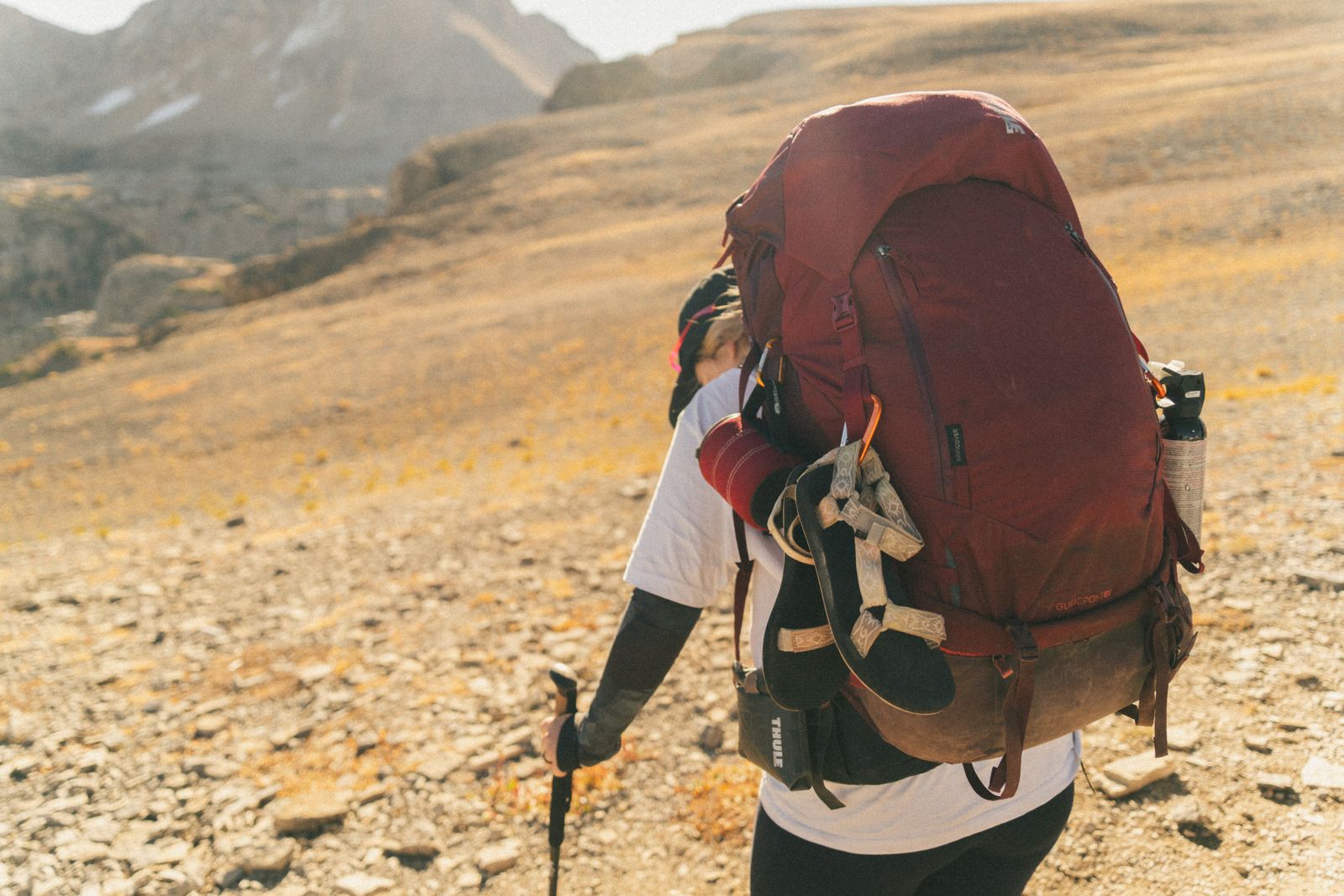
Packing for your first 3-day backpacking trip feels overwhelming because every list online disagrees. Here’s the truth: a beginner 3-day kit is about 35 items, and two-thirds of them are things you already understand — clothes, food, water. The only genuinely new skills are picking the Big 4 and keeping your base weight sane.
Quick answer: For 3 days, pack the Big 4 (backpack, shelter, sleeping bag, sleeping pad), a layered clothing system with no cotton, 2–3 liters of water capacity plus a filter, ~5 pounds of calorie-dense food, and the 10 essentials. Target a base weight under 20 pounds and total pack weight under 20% of your body weight.
Disclosure: Trail Tested is reader-supported. When you buy through links on this page, we may earn a commission at no extra cost to you. Learn more. All picks are compiled picks — see how we rate gear.
The Big 4: where your money and weight go
These four items are 60–70% of your base weight. Get them right and everything else is easy.
Backpack (50–65L). Your pack needs a real hipbelt that sits on your hip bones — that’s what carries the weight, not your shoulders. If you’re between our nano guides, start with our daypack fit basics to understand torso sizing, then scale up to a multi-day pack. Don’t buy ultralight frameless for your first trip; a framed pack forgives packing mistakes.
Shelter. A 2-person backpacking tent around 3–4 pounds is the beginner sweet spot — roomy enough to wait out rain without claustrophobia. A footprint (or cheap Tyvek sheet) underneath doubles the floor’s life.
Sleeping bag. Match the temperature rating to your trip’s expected low, then add a 10°F safety margin — bag ratings assume a warm sleeper in a tent. For 3-season US hiking, a 20°F bag covers most situations. Down packs smaller; synthetic still insulates when damp and costs less.
Sleeping pad. This is insulation, not just comfort — the ground steals heat all night. Look for an R-value of 3+ for 3-season use. Inflatable pads pack small; closed-cell foam pads are indestructible and cheap.
Clothing: the layering system (no cotton)
Cotton kills — literally. It holds sweat against your skin and loses all insulation when wet. Every layer below is synthetic or wool.
- Worn: hiking shirt (synthetic or merino), hiking pants or shorts, underwear (synthetic/wool), hiking socks (merino, never cotton), broken-in boots or trail shoes
- Packed: midweight fleece or puffy jacket, rain jacket AND rain pants (or a rain kilt), warm hat, light gloves, 1 spare shirt, 1 spare underwear, 2 spare sock pairs, sleep clothes (dry base layer top + bottoms — sacred, never hiked in)
Water: carry capacity, not gallons
A liter of water weighs 2.2 pounds — carrying 3 days of water would add 30+ pounds. Instead: carry 2–3 liters and refill. The standard beginner setup is a squeeze filter, which weighs ounces and filters as you fill.
Sawyer Squeeze + Cnoc 2L system at REI — 0.1-micron hollow-fiber membrane, removes 99.99999% of bacteria and 99.9999% of protozoa, 5.8 oz for the bundle. The squeeze format is the most popular filter on long trails for a reason: no pumping, no batteries, no waiting.
Bring a 2–3L reservoir or bottles PLUS the filter. Research water sources on your route beforehand — a “reliable spring” on a 2019 trip report may be dry in 2026.
Food: 1.5–2 lbs per day of calorie density
You need roughly 2,500–3,500 calories per hiking day. The trick is calorie density: fats pack 9 calories per gram, carbs and protein only 4. Build around:
- Breakfasts: instant oatmeal with nuts and dried fruit, or granola with powdered milk
- Lunches (no-cook): tortillas + peanut butter + honey, salami + cheese, tuna packets
- Dinners: freeze-dried meals (just add boiling water) or ramen + instant mashed potatoes + olive oil packets
- Snacks: trail mix, energy bars, dried mango, jerky, candy — eat 200–300 calories every 60–90 minutes
Skip fresh fruit, cans, and anything in heavy packaging. Repackage everything into zip bags at home — you’ll cut a surprising amount of weight and trash.
Cook system (simple)
Canister stove + fuel canister + lighter + 0.9L pot + spork + small sponge. That’s it. One 4-oz fuel canister lasts most beginners a 3-day trip (breakfast + dinner boils). Practice lighting your stove at home before the trip.
The 10 essentials (non-negotiable)
These live in your pack on every trip, even “easy” ones:
- Navigation: map + compass (and phone with offline maps as backup — not primary)
- Sun protection: sunglasses, sunscreen, lip balm
- Insulation: the puffy/fleece from your clothing list
- Illumination: headlamp + spare batteries
Black Diamond Spot headlamp at REI — 450 lumens, IPX7 waterproof, runs on AAA or rechargeable. The best-selling headlamp in hiking for a decade running.
- First aid: blister kit (moleskin, tape), ibuprofen, antihistamine, bandages, tweezers
- Fire: mini lighter + a few stormproof matches in a waterproof container
- Repair kit: small multi-tool or knife, 6 feet of duct tape (wrap it around your trekking pole), cord
- Nutrition: one extra day of food beyond your plan
- Hydration: the filter above + capacity for 3L
- Emergency shelter: ultralight bivy or even just a large trash bag — 3 oz that can save your life
See our full 10 essentials checklist for the detailed breakdown.
How to pack it: the zone system
Weight distribution matters as much as the gear list — a badly packed 30-lb pack feels worse than a well-packed 40-lb one. Bottom zone: sleeping bag and sleep clothes (bulky, needed only at camp). Core zone: food, water, stove, tent body — heavy and dense, pressed close to your back at shoulder-blade height. Top zone: rain gear, puffy, first aid, snacks. Hipbelt pockets and lid: phone, sunscreen, map, headlamp. Our full how to pack a backpack guide walks through the zone system step by step.
Beginner mistakes that add 10 pounds
- “Just in case” duplicates. One spare shirt, not three. You will smell; everyone smells; it’s fine.
- Full-size toiletries. Decant into tiny bottles. You need 3 days of sunscreen, not 3 months.
- Cotton anything. Jeans, cotton tees, cotton socks — all stay home.
- No rain pants. “It probably won’t rain” is famous last words. Storms don’t check forecasts.
- Unbroken boots. Never — ever — debut footwear on a 3-day trip. See our blister prevention system before you go.
Printable checklist
Copy this into your notes app and check items off as they go into the pack:
Big 4: ☐ pack ☐ tent + footprint ☐ sleeping bag ☐ sleeping pad Worn: ☐ shirt ☐ pants/shorts ☐ underwear ☐ socks ☐ boots Packed clothes: ☐ puffy/fleece ☐ rain jacket ☐ rain pants ☐ warm hat ☐ gloves ☐ spare shirt ☐ spare underwear ☐ 2 spare socks ☐ sleep clothes Water: ☐ 2–3L capacity ☐ filter Food + cook: ☐ 4.5–6 lbs food ☐ stove ☐ fuel ☐ lighter ☐ pot ☐ spork Essentials: ☐ map + compass ☐ sunglasses + sunscreen ☐ headlamp + batteries ☐ first aid ☐ fire kit ☐ knife + repair ☐ extra food ☐ emergency shelter Hygiene: ☐ toothbrush/paste ☐ hand sanitizer ☐ trowel ☐ toilet paper + bag
FAQ
How much should a 3-day backpacking pack weigh? Aim for a base weight (everything except food, water, and fuel) under 20 pounds as a beginner, and a total pack weight under 20% of your body weight. Most beginners land at 30–40 pounds total for 3 days. Every pound you cut from the Big 4 — pack, shelter, sleep system, pad — pays off on every mile.
What size backpack do I need for 3 days? A 50–65 liter pack fits most beginners for 3 days. If your gear is bulky (synthetic sleeping bag, 2-person tent), lean toward 60–65L. Ultralight hikers with compact gear manage 40–50L, but don’t buy small and then strap everything to the outside.
How much food should I pack for 3 days of backpacking? Plan roughly 2,500–3,500 calories per day depending on your size and mileage — about 1.5 to 2 pounds of food per day. For 3 days that’s 4.5–6 pounds of calorie-dense food: think nuts, tortillas, peanut butter, dried fruit, and freeze-dried dinners.
How much water should I carry backpacking? Carry 2–3 liters capacity and refill from natural sources with a filter — don’t try to carry all your water for 3 days. A liter of water weighs 2.2 pounds, so carrying capacity plus a reliable filter beats hauling gallons. Research water sources on your route before you go.
Do I really need all 10 essentials for a short trip? Yes. The 10 essentials are a safety system, not a packing suggestion — most weigh ounces and live permanently in your pack. Navigation, headlamp, sun protection, first aid, knife, fire, shelter, extra food, extra water, and extra clothes have saved countless day-hikers who became unplanned overnighters.
Related guides
- 10 Essentials Hiking Checklist — the safety system in detail
- How to Pack a Backpack — the zone system for comfort
- How to Prevent Blisters Hiking — the full foot-care system
- Best Hiking Socks for Wide Feet — socks that fit problem feet
Heads up: some links on this page are affiliate links — if you buy through them we may earn a commission at no extra cost to you. Learn more.
Frequently asked questions
How much should a 3-day backpacking pack weigh?
Aim for a base weight (everything except food, water, and fuel) under 20 pounds as a beginner, and a total pack weight under 20% of your body weight. Most beginners land at 30–40 pounds total for 3 days. Every pound you cut from the Big 4 — pack, shelter, sleep system, pad — pays off on every mile.
What size backpack do I need for 3 days?
A 50–65 liter pack fits most beginners for 3 days. If your gear is bulky (synthetic sleeping bag, 2-person tent), lean toward 60–65L. Ultralight hikers with compact gear manage 40–50L, but don’t buy small and then strap everything to the outside.
How much food should I pack for 3 days of backpacking?
Plan roughly 2,500–3,500 calories per day depending on your size and mileage — about 1.5 to 2 pounds of food per day. For 3 days that’s 4.5–6 pounds of calorie-dense food: think nuts, tortillas, peanut butter, dried fruit, and freeze-dried dinners.
How much water should I carry backpacking?
Carry 2–3 liters capacity and refill from natural sources with a filter — don’t try to carry all your water for 3 days. A liter of water weighs 2.2 pounds, so carrying capacity plus a reliable filter beats hauling gallons. Research water sources on your route before you go.
Do I really need all 10 essentials for a short trip?
Yes. The 10 essentials are a safety system, not a packing suggestion — most weigh ounces and live permanently in your pack. Navigation, headlamp, sun protection, first aid, knife, fire, shelter, extra food, extra water, and extra clothes have saved countless day-hikers who became unplanned overnighters.