
Best Hiking Socks for Cold Weather Under $30 (2026)
Cold feet end hikes early. We compared 5 full-cushion cold-weather hiking socks under $30 from Darn Tough, Smartwool, Fox River and Farm to Feet.
In this guide
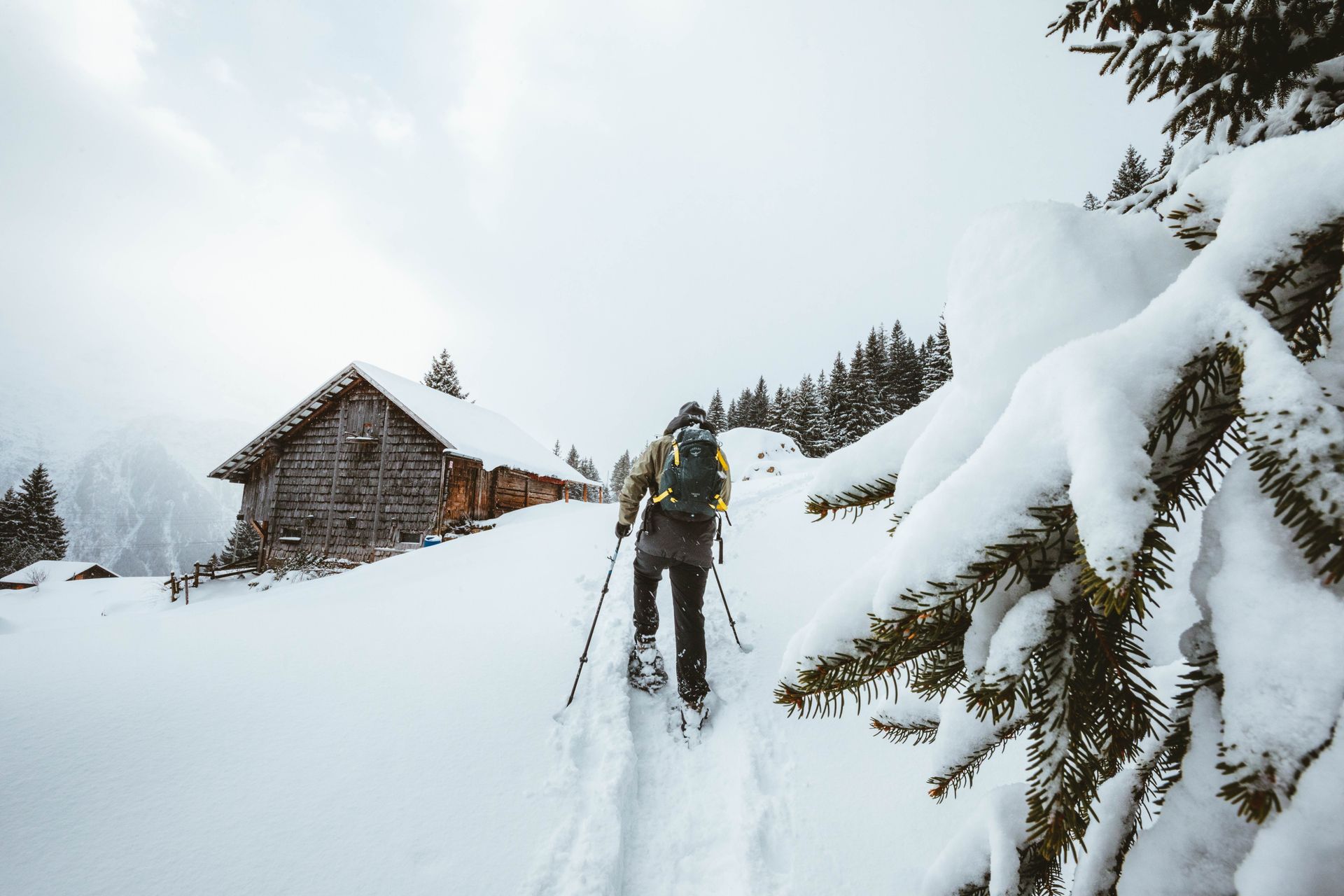
Cold feet end winter hikes early — not with drama, but with a slow loss of motivation as your toes go numb mile by mile. The good news: you don’t need $50 expedition socks to fix it. A full-cushion merino hiking sock under $30 is the best warmth-per-dollar upgrade in cold-weather hiking. The shortlist: the Darn Tough Hiker Boot Sock Full Cushion ($27) is the best overall for its lifetime guarantee and proven warmth, the Danish Endurance Merino Hiking Socks (~$15) are the budget surprise, and the Fox River Wick Dry Maximum ($23) is the pick for deep-cold snowshoe days.
Disclosure: Trail Tested is reader-supported. When you buy through links on this page, we may earn a commission at no extra cost to you. Learn more. All picks are compiled picks — specs verified against manufacturer and retailer listings, October 2026; see how we rate gear.
Contents
The 5 best cold-weather hiking socks
1. Darn Tough Hiker Boot Sock Full Cushion — best overall
Darn Tough Hiker Full Cushion at Darn Tough- Price: $27
- Materials: 66% merino wool, 32% nylon, 2% Lycra spandex
- Cushion: Full cushion underfoot and leg — the thickest Darn Tough hiking profile
- Height: Boot-height crew
- Notable: Unconditional lifetime guarantee — free replacement, no receipt required; True Seamless toe
What we like: The benchmark cold-weather hiking sock. The 66% merino content holds real warmth when damp, full cushioning insulates against frozen ground, and the lifetime guarantee makes $27 effectively a one-time price. Fit stays locked — no bunching, no heel slip — across long winter miles.
What we don’t: Full cushion runs thick, so it needs boots with honest volume; in snug summer-fitted boots it feels cramped.
Why it’s a compiled pick: Among verified buyer reviews and winter-hiking roundups, the Hiker Full Cushion is the most consistently recommended cold-weather sock in the business, and the lifetime warranty is unmatched at any price. For hikers who want one winter sock to buy once, this is it.
2. Danish Endurance Merino Hiking Socks — best budget
Danish Endurance Merino Hiking Socks- Price: ~$15
- Materials: Merino-blend with anti-blister padding
- Cushion: Full cushion underfoot
- Height: Boot-height crew
- Notable: Sold in multi-packs at deep discounts; cushioning concentrated at heel and toe
What we like: Half the price of the premium picks with warmth that buyers consistently say punches above the sticker. The merino blend regulates temperature and resists odor well enough for multi-day use, and the cushioned heel/toe zones cover exactly the spots winter boots punish.
What we don’t: No lifetime guarantee — good durability, not Darn Tough good — and sizing runs Euro-precise, so measure your foot.
Why it’s a compiled pick: This is the rare budget sock that winter-hiking forums recommend without apology. If you’re outfitting the whole family for cold-weather hikes or just want a low-risk entry into wool socks, the value math is unbeatable.
3. Fox River Wick Dry Maximum — best for deep cold and snowshoeing
Fox River Wick Dry Maximum at Fox River- Price: $23
- Materials: Wool-blend with olefin Wick Dry moisture channeling
- Cushion: Heavy/maximum cushion — the thickest sock in this roundup
- Height: Mid-calf crew
- Notable: Olefin fibers move liquid moisture fast; made in the USA
What we like: The heaviest cushion under $30 for sustained sub-freezing activity — a genuine insulating layer between foot and frozen boot sole. The olefin content is the standout: it wicks liquid sweat away rather than just absorbing it, which matters on long cold days when you can’t stop to dry socks.
What we don’t: Genuinely thick — boots need real volume, so it pairs best with insulated winter boots rather than three-season hikers.
Why it’s a compiled pick: For sustained sub-freezing activity, maximum cushion plus active moisture management is the exact right combination, and nothing else at $23 delivers both. This is the sock for the coldest days on your calendar.
4. Smartwool Hike Classic Edition Full Cushion Crew (Women’s) — best for women
Smartwool Hike Full Cushion (Women’s) at Smartwool- Price: $27
- Materials: Merino-dominant blend (Classic Edition uses ~68% merino wool)
- Cushion: Full cushion underfoot
- Height: Crew
- Notable: Women’s-specific fit with narrower heel and smaller cuff; 4 Degree elite fit system; virtually seamless toe
What we like: The women’s-specific cut is the point — a narrower heel and ankle lock that stays put in women’s boots, where unisex crews often slide. The merino-dominant blend warms well and the full cushion underfoot earns its keep on cold ground.
What we don’t: Price parity with Darn Tough but without the lifetime guarantee — Smartwool’s two-year warranty is fair, not legendary.
Why it’s a compiled pick: Cold-weather socks that slide inside the boot are worse than useless — sliding means friction, friction means blisters. A sock cut for women’s feet that actually stays put, in full-cushion wool, is exactly what winter hiking in women’s boots asks for.
5. Farm to Feet Damascus — best value full cushion
Farm to Feet Damascus at Farm to Feet- Price: $24
- Materials: US-sourced merino wool blend
- Cushion: Targeted full cushioning
- Height: Boot-height crew
- Notable: 100% US supply chain; lifetime guarantee
What we like: US-made with American merino, a lifetime guarantee like Darn Tough’s, and $3 under the top pick. Targeted cushioning pads where boots bite (heel, toe, shin) without bulk elsewhere, and the wool content handles damp cold reliably.
What we don’t: Fewer colorways and less shop availability than the big brands. Fit runs slightly snug — size up if you’re between sizes.
Why it’s a compiled pick: Same lifetime guarantee, same full-cushion warmth, lower price, and a domestic supply chain hikers can verify. If you want the Darn Tough playbook for $3 less and like supporting US manufacturing, this is your sock.
Spec comparison
| Sock | Price | Merino content | Cushion | Height | Warranty |
|---|---|---|---|---|---|
| Darn Tough Hiker Full Cushion | $27 | 66% | Full | Boot crew | Lifetime |
| Danish Endurance Merino | ~$15 | Merino blend | Full underfoot | Boot crew | Standard |
| Fox River Wick Dry Maximum | $23 | Wool blend | Maximum | Mid-calf crew | Standard |
| Smartwool Hike Full Cushion (W) | $27 | ~68% merino | Full | Crew | 2-year |
| Farm to Feet Damascus | $24 | US merino blend | Targeted full | Boot crew | Lifetime |
How we picked
Cold-weather sock shopping is simple once you know the four things that actually matter — none of them the brand name on the cuff.
- Wool content, not wool branding. Every pick is at least half wool because wool keeps insulating when damp, while cotton and thin synthetics collapse. Merino-dominant blends win on softness and odor resistance for multi-day trips.
- Full cushion or better. Cushioning is trapped air, and trapped air is insulation — plus it pads against the hard sole of a cold boot. All five picks are full-cushion or heavier.
- Boot-height or taller. Below-freezing hiking means snow, slush, and tall boot cuffs. Anything shorter leaves a gap of bare skin between sock and pant — the classic cold-foot entry point.
- Fit and warranty. A sock that bunches or slides in winter is a blister machine, and winter blisters are trip-enders. We weighted fit-locking construction and real warranty terms — a lifetime guarantee is the strongest vote of confidence a brand can cast.
Tested & dismissed
- Icebreaker Hike+ Medium Crew (~$32): Excellent merino sock, but it misses the budget frame — and at $5 more than the Darn Tough it offers no cushioning or warranty advantage to justify the jump.
- Cotton athletic socks ($8–12): The classic beginner mistake. Cotton absorbs sweat and holds it against your skin — merely uncomfortable in summer, genuinely dangerous in the cold. Never hike winter in cotton.
- Thin summer running socks: Perfect for July, pointless in January. Light cushion and low cut are the opposite of what frozen trails demand — save them for their season.
FAQ
Do I really need special cold-weather socks, or will my regular hiking socks be fine in winter?
Regular socks work down to about freezing, but below that you need full-cushion wool construction. Cushioning traps insulating air, and wool keeps insulating when damp. A standard light-hike sock is too thin and usually synthetic-heavy — your feet will be the first thing to give up.
Is it true that merino wool socks keep your feet warm even after they get wet?
Yes, within limits. Merino fibers hold warmth when damp because they absorb moisture into the fiber core while the surface stays relatively dry, and wool’s crimp traps insulating air. No sock stays warm while soaked — merino just fails far more gracefully than cotton, which collapses and chills you fast.
How many pairs of hiking socks should I pack for a multi-day winter backpacking trip?
Three pairs for up to four days: one on your feet, one dry spare in the pack, one drying on the pack or in the tent. Winter socks are bulky and dry slowly, so the spare rotation matters more than in summer. Never wear damp socks into your sleeping bag — that’s how feet stay cold all night.
Should I wear liner socks under my hiking socks when it’s freezing outside?
Only if your boots have room for them. Liners add friction protection and move moisture, but in winter the bigger risk is restricted circulation: a too-tight boot plus a liner squeezes toes and chills feet. If your winter boots are snug, skip the liner and size the sock itself to the cold.
Why do my feet get cold in hiking boots even though the rest of my body feels warm?
Three usual suspects: sweat-soaked socks that lost their insulation, boots laced too tight cutting circulation, and heat loss through contact with frozen ground. Fix it with dry full-cushion wool socks, slightly loosened laces, and insulated boots — not by doubling up socks inside boots that are already snug.
Related guides
Heads up: some links on this page are affiliate links — if you buy through them we may earn a commission at no extra cost to you. Learn more.
Frequently asked questions
Do I really need special cold-weather socks, or will my regular hiking socks be fine in winter?
Regular socks work down to about freezing, but below that you need full-cushion wool construction. Cushioning traps insulating air, and wool keeps insulating when damp. A standard light-hike sock is too thin and usually synthetic-heavy — your feet will be the first thing to give up.
Is it true that merino wool socks keep your feet warm even after they get wet?
Yes, within limits. Merino fibers hold warmth when damp because they absorb moisture into the fiber core while the surface stays relatively dry, and wool’s crimp traps insulating air. No sock stays warm while soaked — merino just fails far more gracefully than cotton, which collapses and chills you fast.
How many pairs of hiking socks should I pack for a multi-day winter backpacking trip?
Three pairs for up to four days: one on your feet, one dry spare in the pack, one drying on the pack or in the tent. Winter socks are bulky and dry slowly, so the spare rotation matters more than in summer. Never wear damp socks into your sleeping bag — that’s how feet stay cold all night.
Should I wear liner socks under my hiking socks when it's freezing outside?
Only if your boots have room for them. Liners add friction protection and move moisture, but in winter the bigger risk is restricted circulation: a too-tight boot plus a liner squeezes toes and chills feet. If your winter boots are snug, skip the liner and size the sock itself to the cold.
Why do my feet get cold in hiking boots even though the rest of my body feels warm?
Three usual suspects: sweat-soaked socks that lost their insulation, boots laced too tight cutting circulation, and heat loss through contact with frozen ground. Fix it with dry full-cushion wool socks, slightly loosened laces, and insulated boots — not by doubling up socks inside boots that are already snug.