The 4 Best Sleeping Pads for Side Sleepers (Backpacking, 2026)
Side sleepers need thicker, quieter, wider pads. Compare the 4 best backpacking sleeping pads for side sleepers — Exped, Sea to Summit, NEMO Tensor, Therm-a-Rest — with R-values, thickness, and prices.
In this guide
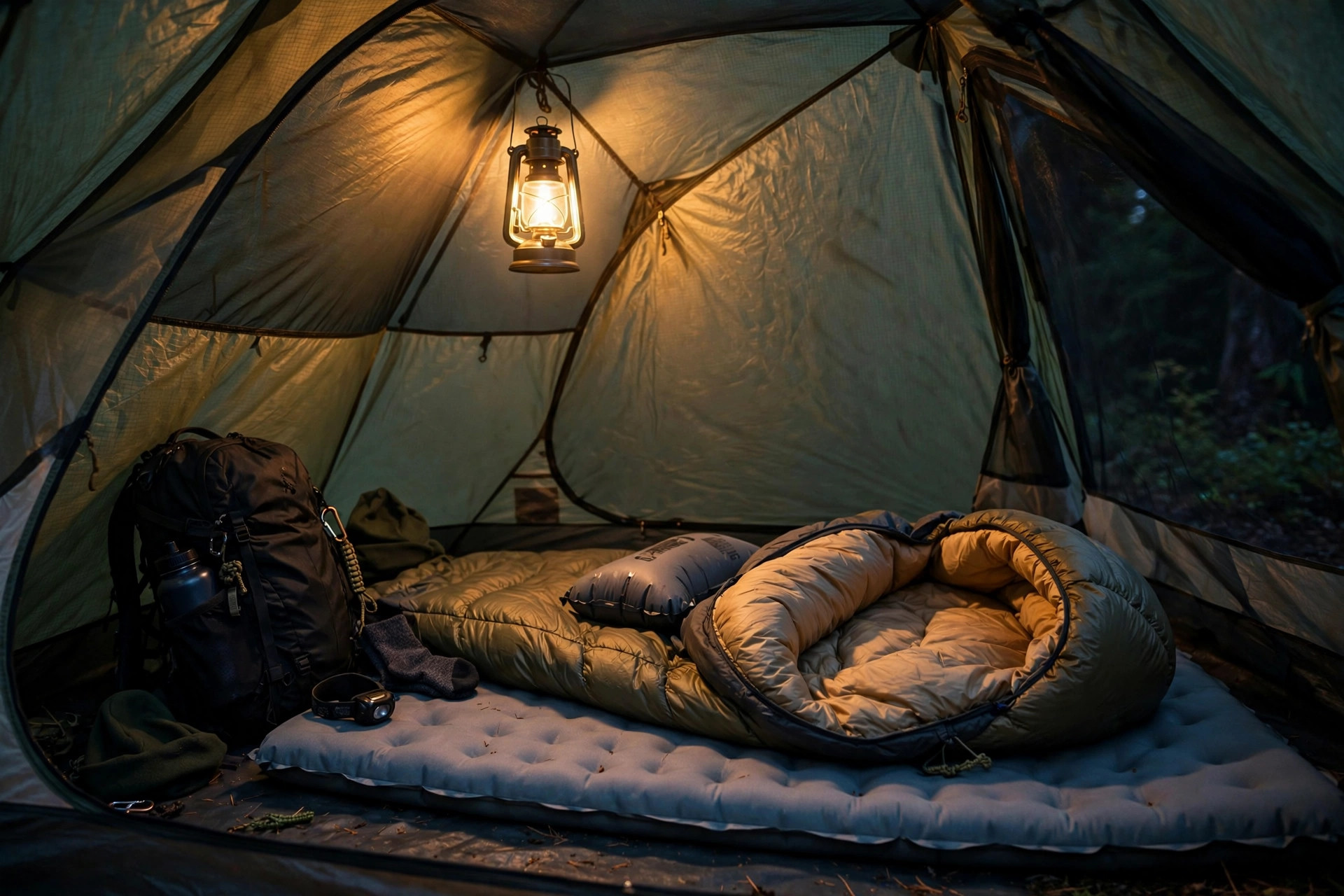
Here’s the dirty secret of backpacking sleep systems: most sleeping pads are designed for back sleepers. If you sleep on your side — like roughly two-thirds of adults — a standard 2.5-inch pad means your hip bone finds the ground by 2 AM, your arm goes numb, and you wake up feeling like you slept on gravel. Side sleepers need a different pad: thicker, wider, quieter, and stable enough that you don’t roll off.
Quick answer: The best sleeping pad for side sleepers is the Exped Ultra 8R — 4 inches of quiet, stable cushioning with an R-value of 7.8 that works year-round. The Sea to Summit Ether Light XT is the most comfortable shape for sprawlers, the NEMO Tensor All-Season is the quietest ultralight option, and the Therm-a-Rest NeoAir XLite NXT is the lightest pad a side sleeper can get away with. All four are at least 3.5 inches thick — the minimum for hips that don’t bottom out.
Disclosure: Trail Tested is reader-supported. When you buy through links on this page, we may earn a commission at no extra cost to you. Learn more. All picks are compiled picks — see how we rate gear.
The 4 best sleeping pads for side sleepers
1. Exped Ultra 8R — the best overall
Exped Ultra 8R at Ascent Outdoors- Price: $229.95
- R-value: 7.8 (4-season capable)
- Thickness: 4 in.
- Weight: ~24 oz (Regular Wide)
- Sizes: Regular, Regular Wide, Long Wide
- Notable: Flat valves that don’t poke you; quiet Texpedloft insulation; side baffles cradle you so you don’t roll off
Why it’s a compiled pick: The Ultra line is the side-sleeper benchmark for a reason: 4 inches of thickness means hips never bottom out, the vertical side baffles create a gentle cradle that keeps restless sleepers centered, and Exped’s pads are famously quiet — no potato-chip crinkle when you shift. The 7.8 R-value is overkill for summer, but it means one pad covers every season. Yes, it’s heavier than ultralight options. Sleep is worth 8 oz.
2. Sea to Summit Ether Light XT — the most comfortable shape
Sea to Summit Ether Light XT at Peter Glenn- Price: $189–$209
- R-value: 4.2 (Insulated version)
- Thickness: 4 in.
- Weight: ~21 oz (Regular)
- Sizes: Regular, Large, plus women’s-specific
- Notable: Air Sprung Cell dot-weld pattern mimics a mattress; 4-inch thick XT profile; quiet
Why it’s a compiled pick: The Ether Light XT’s Air Sprung Cells — hundreds of small interconnected air pockets — distribute pressure more like a real mattress than the long tubes of traditional pads. Side sleepers consistently rate it the most “bed-like” pad in this class, and the 4-inch XT thickness handles hips with ease. It packs a bit bulkier than the NEMO or Therm-a-Rest, but for car-camping-adjacent comfort on a backpacking pad, nothing touches it at this price.
3. NEMO Tensor All-Season — the quiet ultralight
NEMO Tensor All-Season at Saratoga Outdoors- Price: $229.95–$259.95
- R-value: 5.4
- Thickness: 3.5 in.
- Weight: ~18 oz (Regular Wide)
- Sizes: Regular, Regular Wide, Long Wide
- Notable: Among the quietest pads ever made; Spaceframe baffles are stable under shifting weight; recycled insulation
Why it’s a compiled pick: The Tensor solved the two problems that plagued ultralight pads: noise and instability. Its baffles don’t crinkle, and the pad doesn’t feel like a pool float when you roll over — it stays put and stays quiet, which your tentmate will appreciate. At 3.5 inches it’s the thinnest pad on this list, so very heavy side sleepers or bony hips might prefer the Exped’s 4 inches — but for most side sleepers it’s the sweet spot of weight, warmth, and silence.
4. Therm-a-Rest NeoAir XLite NXT — the lightest viable option
Therm-a-Rest NeoAir XLite NXT at Bill & Paul’s- Price: $219.95–$239.95
- R-value: 4.5
- Thickness: 3 in.
- Weight: ~13 oz (Regular)
- Sizes: Regular, Regular Wide, Large
- Notable: The legendary ultralight pad, redesigned quieter and thicker than the original; Triangular Core Matrix insulation
Why it’s a compiled pick: This is the minimum viable pad for a side sleeper — 3 inches is the floor, and lighter hikers (under ~160 lb) do fine on it. What you get is the lightest full-length insulated pad in existence at 13 oz, from the brand that invented the category. Get the Wide version (25 in.) — on a 20-inch XLite, side sleepers’ knees end up on the tent floor. It’s the pick for ounce-counters who refuse to sleep badly.
Spec comparison
| Pad | Price | R-value | Thickness | Weight | Width options |
|---|---|---|---|---|---|
| Exped Ultra 8R | $229.95 | 7.8 | 4 in. | ~24 oz | Up to Long Wide |
| Sea to Summit Ether Light XT | $189–$209 | 4.2 | 4 in. | ~21 oz | Regular, Large |
| NEMO Tensor All-Season | $229.95+ | 5.4 | 3.5 in. | ~18 oz | Up to Long Wide |
| Therm-a-Rest NeoAir XLite NXT | $219.95+ | 4.5 | 3 in. | ~13 oz | Up to Large (25 in. wide) |
How to choose a sleeping pad as a side sleeper
Thickness first. This is the variable that matters most. Under 3 inches, most side sleepers’ hips bottom out. 3.5 inches works for average builds; 4+ inches is the comfort zone. Don’t let ultralight marketing talk you into a 2.5-inch pad you’ll hate.
Go wide. A 25-inch wide pad is the single best comfort upgrade for side sleepers — your knees, elbows, and curled-up posture stay on the pad instead of sliding onto cold tent floor. The 3–5 oz penalty is worth it.
Match R-value to your seasons. Summer-only: R-2+. Three-season down to freezing: R-4+. Shoulder seasons and cold sleepers: R-5+. Remember the pad insulates you from the ground — a $400 sleeping bag on a summer pad still leaves you cold.
Test the noise. If you share a tent, a crinkly pad is a relationship hazard. The NEMO Tensor and Exped Ultra are the quietest in class; older NeoAir designs are the loudest (the NXT generation is much improved).
Inflation matters. Slightly under-inflate — a rock-hard pad creates pressure points. You want enough air that your hip doesn’t touch ground, but soft enough that the pad conforms around your shoulder and hip.
FAQ
How thick should a sleeping pad be for side sleepers? At least 3.5 inches, and 4+ is better. Side sleepers concentrate their weight on hips and shoulders — a thin pad lets those pressure points bottom out against the ground. Back sleepers can get away with 2.5 inches; side sleepers generally can’t.
What R-value do I need for 3-season backpacking? R-4 to R-5 covers most 3-season conditions (down to around freezing). If you only camp in summer, R-2 to R-3 is fine and saves weight. Cold sleepers should round up — an under-insulated pad is the most common reason people feel cold in a warm sleeping bag.
Are wide sleeping pads worth it for side sleepers? Yes — this is the most underrated upgrade. Standard 20-inch pads let your knees and elbows slide off when you curl up. A 25-inch wide pad keeps your whole side-sleeping posture supported. The weight penalty is usually 3–5 oz, and side sleepers consistently call it worth it.
Why are some sleeping pads so noisy? The crinkly sound comes from the reflective insulation films inside ultralight pads (older Therm-a-Rest NeoAirs were notorious). Newer designs — Exped’s flat-valve pads, NEMO’s Tensor line, Sea to Summit’s Air Sprung Cells — are dramatically quieter. If you’re a light sleeper or share a tent, prioritize a quiet pad.
Can I use a foam pad as a side sleeper? Closed-cell foam pads (like the Therm-a-Rest Z Lite) are too thin for most side sleepers’ hips. They work as a supplement — layered under an air pad for extra insulation and puncture insurance — but rarely as a standalone pad for side sleeping.
Related guides
- Sleep System hub — every sleep-related guide in one place
- Best Budget Sleeping Bag for 3-Season Under $100 — complete your sleep system cheaply
Side sleeper, back sleeper, or human rotisserie? Tell us your pad setup via the contact page — real sleep reports help other hikers rest better.
Heads up: some links on this page are affiliate links — if you buy through them we may earn a commission at no extra cost to you. Learn more.
Frequently asked questions
How thick should a sleeping pad be for side sleepers?
At least 3.5 inches, and 4+ is better. Side sleepers concentrate their weight on hips and shoulders — a thin pad lets those pressure points bottom out against the ground. Back sleepers can get away with 2.5 inches; side sleepers generally can’t.
What R-value do I need for 3-season backpacking?
R-4 to R-5 covers most 3-season conditions (down to around freezing). If you only camp in summer, R-2 to R-3 is fine and saves weight. Cold sleepers should round up — an under-insulated pad is the most common reason people feel cold in a warm sleeping bag.
Are wide sleeping pads worth it for side sleepers?
Yes — this is the most underrated upgrade. Standard 20-inch pads let your knees and elbows slide off when you curl up. A 25-inch wide pad keeps your whole side-sleeping posture supported. The weight penalty is usually 3–5 oz, and side sleepers consistently call it worth it.
Why are some sleeping pads so noisy?
The crinkly sound comes from the reflective insulation films inside ultralight pads (older Therm-a-Rest NeoAirs were notorious). Newer designs — Exped’s flat-valve pads, NEMO’s Tensor line, Sea to Summit’s Air Sprung Cells — are dramatically quieter. If you’re a light sleeper or share a tent, prioritize a quiet pad.
Can I use a foam pad as a side sleeper?
Closed-cell foam pads (like the Therm-a-Rest Z Lite) are too thin for most side sleepers’ hips. They work as a supplement — layered under an air pad for extra insulation and puncture insurance — but rarely as a standalone pad for side sleeping.