The 3 Best Budget Sleeping Bags for 3-Season Camping Under $100 (2026)
You don't need $300 down to sleep warm. Compare the 3 best 3-season sleeping bags under $100 — Teton Celsius, Coleman Arch Bay, Marmot Trestles Elite Eco — with temp ratings, weights, and honest tradeoffs.
In this guide
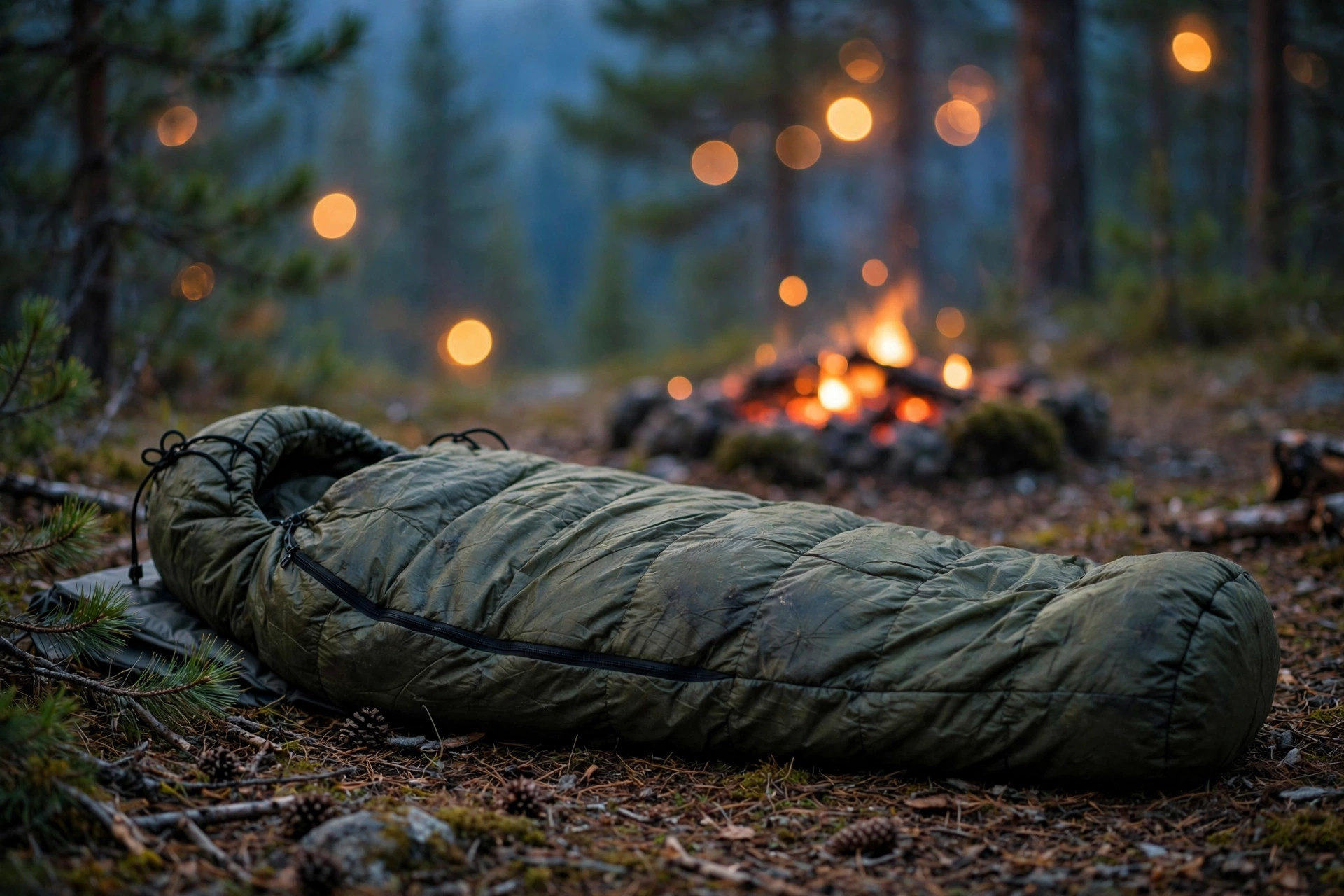
Sleeping bags have some of the most inflated pricing in outdoor gear — it’s easy to believe you need a $350 down bag to camp in October. You don’t. A good synthetic 20°F bag under $100 keeps you just as warm as the expensive stuff; you’re trading weight and packed size, not warmth. For car campers and new backpackers, that’s the right trade.
Quick answer: The best budget 3-season sleeping bag under $100 is the Teton Sports Celsius 20°F — a roomy, warm synthetic mummy bag around $90 that has survived years of positive reviews. The Coleman Arch Bay 30°F ($80) is the value pick for summer and mild shoulder seasons, and the Marmot Trestles Elite Eco 30 ($100 on sale) is the best-built bag at this price ceiling. All three use synthetic insulation that keeps working when damp.
Disclosure: Trail Tested is reader-supported. When you buy through links on this page, we may earn a commission at no extra cost to you. Learn more. All picks are compiled picks — see how we rate gear.
The 3 best budget 3-season sleeping bags under $100
1. Teton Sports Celsius 20°F — the best overall
Teton Sports Celsius 20°F at Sportsman’s Warehouse- Price: ~$90
- Temp rating: 20°F
- Insulation: Synthetic fiber fill
- Weight: ~6.5 lbs
- Shape: Semi-rectangular mummy (roomier than a true mummy)
- Notable: One of the best-reviewed budget bags ever made; compression sack included; interior pocket
Why it’s a compiled pick: The Celsius is the budget bag that budget-bag roundups keep crowning, year after year. The 20°F rating is honest for the price — reviewers consistently report comfort into the 30s, which is real 3-season coverage. The semi-rectangular cut is the secret weapon: restless sleepers who feel claustrophobic in true mummies can actually move. Yes, 6.5 lbs is heavy and it packs like a duffel bag — but for $90, you’re getting genuine freezing-temperature warmth that would cost 3x in down.
2. Coleman Arch Bay 30°F — the value pick
Coleman Arch Bay 30°F at Coleman- Price: ~$80
- Temp rating: 30°F
- Insulation: Synthetic (Coleman ComfortSmart fill)
- Weight: ~5 lbs
- Shape: Mummy with extra room in the footbox
- Notable: The cheapest credible 3-season bag from a major brand; machine washable; stuff sack included
Why it’s a compiled pick: Coleman doesn’t get respect from gear snobs, but the Arch Bay is honest gear: a 30°F synthetic mummy for eighty bucks that does exactly what it promises. It’s the right bag for summer backpacking and mild shoulder-season car camping — nights in the 40s and 50s. The footbox is roomier than typical mummies, which side sleepers appreciate. Don’t push it to freezing; that’s what the Teton above is for.
3. Marmot Trestles Elite Eco 30 — the best-built bag under $100
Marmot Trestles Elite Eco 30 at Sierra- Price: $99.99 (on sale; MSRP higher)
- Temp rating: 30°F
- Insulation: HL-Eco synthetic (recycled)
- Weight: ~3.5 lbs
- Shape: Mummy with anatomically shaped footbox
- Notable: The lightest bag here by a wide margin; recycled insulation; Marmot’s build quality and warranty
Why it’s a compiled pick: When the Trestles Elite Eco dips to $100 on sale (which it does regularly at Sierra Trading Post), it’s the best value in budget sleeping bags, full stop. At 3.5 lbs it’s nearly half the weight of the Teton, it packs dramatically smaller, and Marmot’s construction quality — zippers that don’t snag, draft tubes that stay put — is a tier above. The 30°F rating makes it a summer and warm-shoulder-season bag. If you can catch the sale, this is the bag to buy.
Spec comparison
| Bag | Price | Temp rating | Insulation | Weight | Best for |
|---|---|---|---|---|---|
| Teton Sports Celsius 20°F | ~$90 | 20°F | Synthetic | ~6.5 lbs | Coldest nights on a budget |
| Coleman Arch Bay 30°F | ~$80 | 30°F | Synthetic | ~5 lbs | Summer value |
| Marmot Trestles Elite Eco 30 | ~$100 (sale) | 30°F | Recycled synthetic | ~3.5 lbs | Lightest budget option |
How to choose a budget 3-season sleeping bag
Buy for your coldest expected night, not your average one. A 30°F bag is perfect until the one October night that hits 28°F. If you camp spring and fall, the 20°F Teton is the safer single-bag choice. Summer-only campers can save money and weight with a 30–40°F bag.
Budget for the pad too. A sleeping bag’s rating assumes an insulated sleeping pad underneath you — without one, the compressed insulation beneath your body does almost nothing and you’ll be cold in any bag. Pair these bags with at least an R-3 pad for shoulder seasons.
Synthetic is the right call under $100. Cheap down is a false economy: low fill power, less of it, and it collapses when damp. Synthetic insulation keeps you warm even wet, washes easily, and costs less — everything a beginner needs.
Accept the weight. Budget bags are 1–3 lbs heavier than premium down. For car camping, irrelevant. For backpacking, it’s the cheapest place in your kit to save money — upgrade the bag last, after your pack and shelter are dialed.
Watch for sales. The Marmot Trestles regularly drops to $100 at Sierra Trading Post, and the Kelty Cosmic 20 (a $200+ down bag) occasionally dips near $130 on sale — if your budget has any flex, sale season (late fall, Memorial Day) is when budget gear gets genuinely great.
FAQ
Can a sub-$100 sleeping bag really handle 3-season camping? Yes, with realistic expectations. Budget bags use synthetic insulation that’s heavier and bulkier than premium down, but a 20°F-rated synthetic bag keeps you warm to freezing just like an expensive one — it just weighs 1–2 lbs more and packs larger. For car camping and short backpacking trips, that’s a fine trade.
What temperature rating do I need for 3-season camping? A 20°F rating covers spring through fall for most US camping (nights down to freezing). If you only camp in summer, a 30–40°F bag is lighter and cheaper. Remember that temperature ratings assume you’re wearing base layers and sleeping on an insulated pad — the rating isn’t a guarantee in a t-shirt on bare ground.
Down vs synthetic for a budget sleeping bag? Under $100, buy synthetic. Budget “down” bags often use low fill-power down (500–550) with less of it, and they lose warmth fast when damp. Quality synthetic insulation (like Marmot’s HL-Eco) insulates when wet, costs less, and is easier to wash — the right call for beginners.
Why are budget sleeping bags so bulky? Synthetic insulation doesn’t compress as well as down. A budget 20°F bag might pack to 12–15 liters vs 6–8 for a premium down bag. For car camping it doesn’t matter; for backpacking, strap it to the outside of your pack or upgrade your bag first and your pack second.
Should I get a mummy or rectangular budget bag? Mummy bags are warmer for their weight (less dead air to heat) and pack smaller — better for backpacking. Rectangular bags are roomier and more comfortable for restless sleepers and car camping. All three picks above are mummy or semi-rectangular, the best warmth-per-dollar shapes.
Related guides
- Sleep System hub — every sleep-related guide in one place
- Best Sleeping Pads for Side Sleepers — the pad matters as much as the bag
- What to Wear Hiking in 50-Degree Weather — sleep warm by layering smart
What’s your budget sleep setup? Tell us via the contact page — real cold-night reports help other campers buy right.
Heads up: some links on this page are affiliate links — if you buy through them we may earn a commission at no extra cost to you. Learn more.
Frequently asked questions
Can a sub-$100 sleeping bag really handle 3-season camping?
Yes, with realistic expectations. Budget bags use synthetic insulation that’s heavier and bulkier than premium down, but a 20°F-rated synthetic bag keeps you warm to freezing just like an expensive one — it just weighs 1–2 lbs more and packs larger. For car camping and short backpacking trips, that’s a fine trade.
What temperature rating do I need for 3-season camping?
A 20°F rating covers spring through fall for most US camping (nights down to freezing). If you only camp in summer, a 30–40°F bag is lighter and cheaper. Remember that temperature ratings assume you’re wearing base layers and sleeping on an insulated pad — the rating isn’t a guarantee in a t-shirt on bare ground.
Down vs synthetic for a budget sleeping bag?
Under $100, buy synthetic. Budget ‘down’ bags often use low fill-power down (500–550) with less of it, and they lose warmth fast when damp. Quality synthetic insulation (like Marmot’s HL-Eco) insulates when wet, costs less, and is easier to wash — the right call for beginners.
Why are budget sleeping bags so bulky?
Synthetic insulation doesn’t compress as well as down. A budget 20°F bag might pack to 12–15 liters vs 6–8 for a premium down bag. For car camping it doesn’t matter; for backpacking, strap it to the outside of your pack or upgrade your bag first and your pack second.
Should I get a mummy or rectangular budget bag?
Mummy bags are warmer for their weight (less dead air to heat) and pack smaller — better for backpacking. Rectangular bags are roomier and more comfortable for restless sleepers and car camping. All three picks below are mummy or semi-rectangular, the best warmth-per-dollar shapes.