
Best Rain Covers for Hiking Backpacks (2026)
Keep your pack dry in downpours. Compare 4 top-rated backpack rain covers — Osprey, REI, Sea to Summit, Deuter — with real specs, prices, and sizing tips.
In this guide
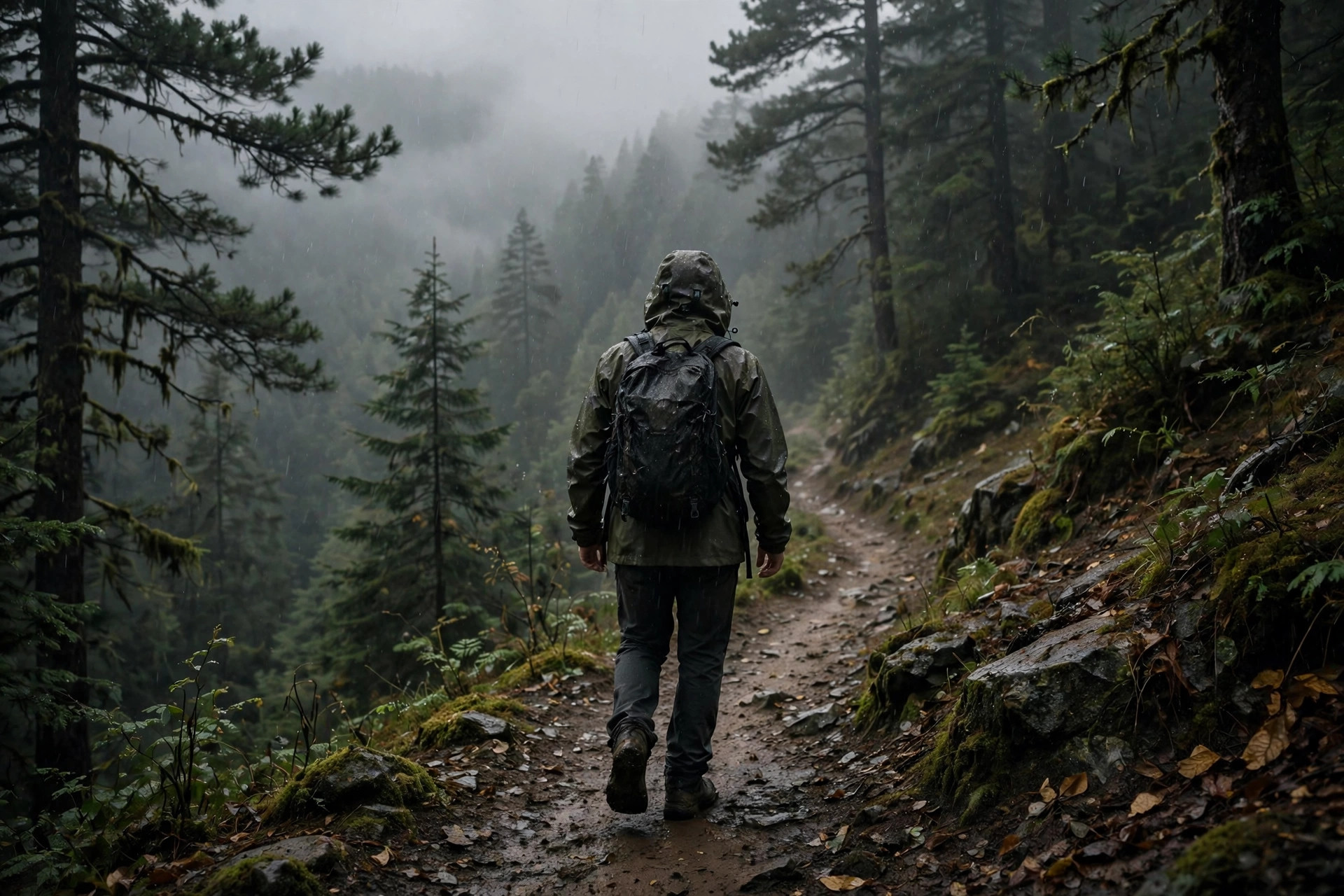
Quick answer: The best backpack rain cover for most hikers is the Osprey Ultralight Raincover — taped seams, sizes from 10 to 110 liters, and a drawcord plus buckle strap that stays on in wind. Ultralight hikers should get the Sea to Summit Ultra-Sil (just 4 oz). In sustained downpours, pair any cover with a pack liner inside — covers can’t seal the side against your back.
A downpour two miles from the trailhead is where your pack’s “water-resistant” coating quietly gives up. The best backpack rain cover keeps your sleeping bag and dry layers dry for a few ounces of carry weight — the Osprey Ultralight Raincover is the pick for most hikers, with taped seams, sizes from 10 to 110 liters, and a drawcord plus buckle strap that actually stays on in wind. Ultralight hikers should look at Sea to Summit’s Ultra-Sil instead: just 4 ounces for a 50–70L pack.
Disclosure: Trail Tested is reader-supported. When you buy through links on this page, we may earn a commission at no extra cost to you. Learn more. All picks are compiled picks — see how we rate gear.
The 4 best backpack rain covers at a glance
- Best Overall: Osprey Ultralight Raincover
- Best Value: REI Co-op Duck’s Back
- Best Ultralight: Sea to Summit Ultra-Sil Pack Cover
- Best for Big Packs: Deuter Raincover III
1. Osprey Ultralight Raincover — Best Overall
Osprey Ultralight Raincover at REI- Price: ~$42.50 (Medium)
- Fabric: 40-denier recycled high-tenacity nylon, PFAS-free DWR
- Seams: Taped
- Sizes: XS (10–30L), M (30–50L), L (50–75L), XL (75–110L)
- Weight: ~3.9 oz (M, per manufacturer spec)
What we like
- Taped seams — most covers in this price class skip taping, and this is the single biggest waterproofing upgrade
- Four size options covering 10–110L, so the cover actually fits your pack
- Drawcord plus a buckle clip that anchors it across the pack — wind can’t peel it off
- Packs into itself, so it never needs a separate stuff sack you can lose
What we don’t
- Pricier than house-brand alternatives like the REI Duck’s Back
- Only one colorway; not great for night visibility — bring the bright Deuter if you road-walk at dusk
- Sizing runs generous per verified reviews, so a 30L pack may swim in the Medium — size down when between sizes
The Osprey Ultralight Raincover is the cover we see most often on serious backpackers’ packs, and the reasons show up consistently in verified-owner reviews: the taped seams hold through multi-hour rain, the buckle strap keeps it anchored when ridge-top wind hits, and it genuinely disappears into its own pocket when the sky clears. Compiled from manufacturer specs and verified buyer reviews, it’s the safest default choice.
2. REI Co-op Duck’s Back — Best Value
REI Co-op Duck’s Back Pack Rain Cover at REI- Price: ~$29.95–$41.95 depending on size
- Fabric: Silicone-coated ripstop polyester, PFAS-free DWR; oxford nylon bottom panel
- Seams: Seam-sealed
- Sizes: XS (18–30L), S (35–45L), M (50–65L), L (70–85L), XL (90–100+L)
- Weight: 3 oz (XS) – 7 oz (XL); 5 oz in Medium
What we like
- Silicone-coated fabric that sheds water aggressively — silicone impregnation lasts longer than spray-on coatings
- Abrasion-resistant bottom panel with a drain hole, so water that does sneak in can escape
- Five size options, the widest range here — including an XL for 90–100L expedition packs
- House-brand price for seam-sealed performance
What we don’t
- Heavier than the ultralight picks — a full 7 oz in XL
- One color (gray); low visibility on roads and in low light
- Cinch cord only — no buckle or keeper strap across the harness, so it’s more wind-sensitive than the Osprey
The Duck’s Back is the thinking hiker’s bargain: silicone-coated ripstop that buyers report beads water season after season, with seam sealing included at a price where most competitors leave the seams open. Size down if you’re between sizes — verified reviews note it fits slightly large.
3. Sea to Summit Ultra-Sil Pack Cover — Best Ultralight
Sea to Summit Ultra-Sil Pack Cover at Sea to Summit- Price: ~$40 (M)
- Fabric: 30D Ultra-Sil siliconized CORDURA nylon
- Seams: Seamless construction (no stitched seams to leak)
- Sizes: XXS (10–15L) to L (70–95L)
- Weight: 1.5 oz (XXS) – 4.6 oz (L); 4.0 oz in Medium
What we like
- Seamless construction is the most waterproof design here — no stitching, no needle holes
- Genuinely ultralight: 4 ounces for a 50–70L cover, 1.5 oz for daypack sizes
- Keeper strap across the harness keeps it put without bulk
- Attached mini stuff sack that can’t get separated from the cover
What we don’t
- 30D siliconized fabric is thinner than the 40D–70D fabrics here — baby it around granite and thorns
- No drainage hole on some sizes; check your size’s spec sheet
- Brighter colors show trail grime fast
For thru-hikers and ounce-counters, the Ultra-Sil ends the “is it worth carrying” debate: 4 ounces for real rain protection. The seamless siliconized CORDURA construction is technically the most waterproof of the four — and per verified-owner reports, the keeper strap keeps it locked in wind that strips lesser covers.
4. Deuter Raincover III — Best for Big Packs
Deuter Raincover III at Deuter- Price: ~$38
- Fabric: 70D polyamide, PU coating, PFAS-free DWR
- Seams: Taped
- Sizes: One size, fits 45–90L
- Weight: 4.6 oz (130 g)
What we like
- Burliest fabric here — 70D PU-coated polyamide shrugs off abrasion from granite and scree
- One size covers 45–90L, so it works across your whole quiver of packs
- Bright colors with reflective detailing — the only pick here built for dusk road-walks
- Taped seams and PFAS-free DWR, with strong sustainability certifications
What we don’t
- Single size means a sloppy fit on smaller 45–55L packs in its range — expect flapping
- Heavier than the Sea to Summit despite similar coverage
- Limited US retail availability; check sizing carefully against your pack
The Raincover III is the workhorse pick for expedition-size packs: a single size that stretches from weekend 45L packs to 90L expedition haulers, in the thickest fabric here. If you hike in the shoulder seasons when light fades early, the reflective detailing is a genuine safety feature none of the other picks offer.
Comparison table
| Cover | Price | Fabric | Seam treatment | Sizes | Weight (M) |
|---|---|---|---|---|---|
| Osprey Ultralight Raincover | ~$42.50 | 40D recycled nylon | Taped | 10–110L (4 sizes) | 3.9 oz |
| REI Co-op Duck’s Back | ~$34.95 | Silicone-coated ripstop poly | Seam-sealed | 18–100L (5 sizes) | 5 oz |
| Sea to Summit Ultra-Sil | ~$40 | 30D siliconized CORDURA | Seamless | 10–95L (5 sizes) | 4.0 oz |
| Deuter Raincover III | ~$38 | 70D PU-coated polyamide | Taped | 45–90L (1 size) | 4.6 oz |
How to choose a backpack rain cover
Match the cover to pack volume, not brand. Cover sizes are given as liter ranges — a 40L pack wants a 30–50L cover. Oversized covers flap, collect pooling water, and blow off; undersized ones won’t stretch over the lid. When between sizes, the verified-owner consensus is to size down.
Demand sealed or taped seams. This is the whole game: a cover with open stitching leaks exactly where rain hits hardest — the top of the pack. Taped, seam-sealed, or seamless construction is worth paying for.
Check the attachment system. A drawcord cinch alone will peel in real wind. The best designs add a buckle strap or keeper strap that threads across the pack harness. This is also the #1 failure mode reported in verified reviews of cheap covers.
Consider fabric weight honestly. 70D fabrics (Deuter) survive bushwhacking; 30D sil-nylon (Sea to Summit) demands care. Match the denier to your terrain.
Don’t skip the liner in real storms. Every rain cover leaves the back panel exposed — the side pressed against your sweaty back is where water migrates in. In hours-long rain, a trash-compactor-bag liner inside the pack (under $1) is what actually keeps your sleeping bag dry. Covers handle the pack body; liners protect the gear. Use both.
Tested & dismissed
- No-brand 2-pack elastic covers (~$10 for two): the cheapest option on marketplaces, and the most common regret. Verified-owner patterns: elastic-only attachment with no strap — they blow off on exposed ridges — and sizing that runs small on loaded packs. Buy once, cry once.
- Single-size “universal” covers: one size genuinely cannot cover both a 25L daypack and a 70L backpacking pack. The gap either flaps and pools water or refuses to stretch. Lettered sizing exists for a reason.
- Using a poncho over pack + body instead: fine in an emergency, but condensation builds up under a poncho in minutes and you can’t access side pockets. A dedicated cover is better for actual hiking.
FAQ
Do backpack rain covers actually work? Yes, in steady rain they keep the pack body and top lid dry. They can’t seal the side pressed against your back, so in hours-long downpours pair the cover with a pack liner (a trash-compactor bag inside) to protect the gear that matters — your sleeping bag and dry clothes.
What size rain cover fits my backpack? Match the cover to your pack’s liter capacity, not the pack brand. A 40L pack needs a cover sized for roughly 30–50L. Oversized covers flap and collect water; undersized ones pop off. Most covers come in lettered sizes — measure against the ranges in the spec boxes above.
Rain cover or pack liner — which is better? They do different jobs. A liner (trash-compactor bag inside the pack) waterproofs from within and can’t blow away, but doesn’t stop the pack body soaking up water weight. A cover stops most water at the shell. In real storms, experienced hikers use both: liner for the gear, cover for the pack.
Will a rain cover blow off in wind? Cheap ones will — that is the most common verified-owner complaint. Look for a cover with a buckle strap or keeper strap that threads across the harness plus an elastic drawcord, like the Osprey and Sea to Summit picks above. Elastic-only covers without a strap are the ones you see skittering down trails.
Can I just use a trash bag instead of a rain cover? As an emergency cover, yes — a large trash bag works for one storm. It tears on branches, looks like a trash bag, and needs replacing constantly. For regular hiking, a $30–40 reusable cover is cheaper and better within a season.
Related guides
- How to Pack a Backpack — where the rain cover goes in your packing system
- Best Ventilated Backpack for Sweaty Backs — rain covers trap heat, so pair them with a pack that breathes
- Packing guides hub — the full packs cluster
Heads up: some links on this page are affiliate links — if you buy through them we may earn a commission at no extra cost to you. Learn more.
Frequently asked questions
Do backpack rain covers actually work?
Yes, in steady rain they keep the pack body and top lid dry. They can’t seal the side pressed against your back, so in hours-long downpours pair the cover with a pack liner (a trash-compactor bag inside) to protect the gear that matters — your sleeping bag and dry clothes.
What size rain cover fits my backpack?
Match the cover to your pack’s liter capacity, not the pack brand. A 40L pack needs a cover sized for roughly 30–50L. Oversized covers flap and collect water; undersized ones pop off. Most covers come in lettered sizes — measure against the ranges in the spec boxes below.
Rain cover or pack liner — which is better?
They do different jobs. A liner (trash-compactor bag inside the pack) waterproofs from within and can’t blow away, but doesn’t stop the pack body soaking up water weight. A cover stops most water at the shell. In real storms, experienced hikers use both: liner for the gear, cover for the pack.
Will a rain cover blow off in wind?
Cheap ones will — that is the most common verified-owner complaint. Look for a cover with a buckle strap or keeper strap that threads across the harness plus an elastic drawcord, like the Osprey and Sea to Summit picks below. Elastic-only covers without a strap are the ones you see skittering down trails.
Can I just use a trash bag instead of a rain cover?
As an emergency cover, yes — a large trash bag works for one storm. It tears on branches, looks like a trash bag, and needs replacing constantly. For regular hiking, a $30–40 reusable cover is cheaper and better within a season.