The 4 Best Hiking Shoes for Wide Feet: Men's Picks (2026)
Stop squeezing into narrow trail shoes. Compare the 4 best hiking shoes for wide feet for men — KEEN Targhee IV Wide, Altra Lone Peak 9, Merrell Moab 3 Wide, Topo Ultraventure 4 — with widths, weights, and prices.
In this guide
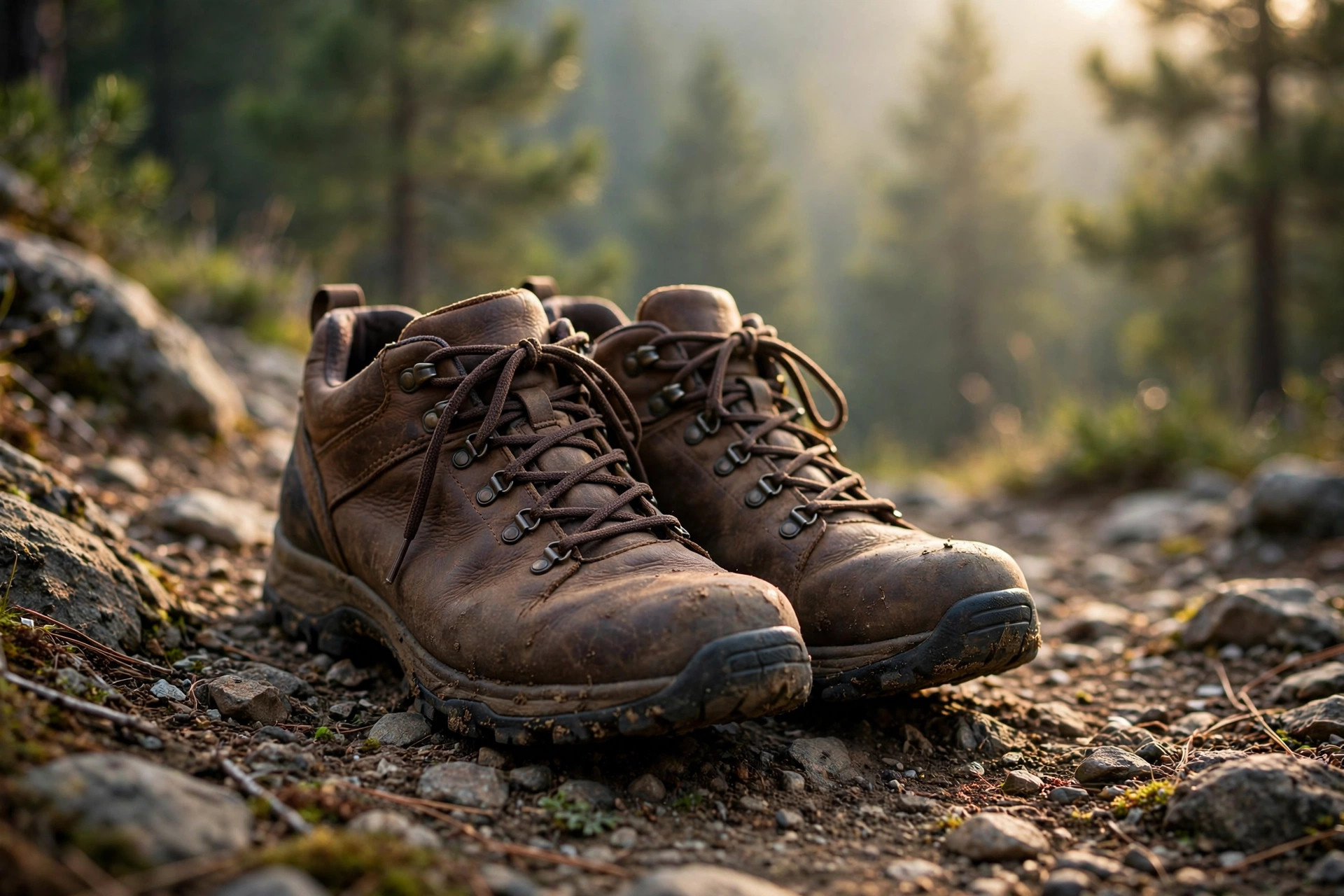
If your feet measure 2E or wider, you know the drill: order your normal size, feel your pinky toes getting crushed by mile three, and start the return process. The problem isn’t your feet — it’s that most hiking shoes are built on narrow lasts, and “sizing up” just gives you a longer shoe that still squeezes sideways.
Quick answer: The best hiking shoes for wide feet for men are the KEEN Targhee IV Wide — a waterproof leather workhorse built on a genuinely roomy last — followed by the Altra Lone Peak 9 in wide, whose foot-shaped toe box lets toes splay naturally. The Merrell Moab 3 Wide and Topo Ultraventure 4 round out the list for hikers who want proven comfort and a natural stride. All four come in real wide widths, not just “runs a bit roomy” marketing.
Disclosure: Trail Tested is reader-supported. When you buy through links on this page, we may earn a commission at no extra cost to you. Learn more. All picks are compiled picks — see how we rate gear.
The 4 best hiking shoes for wide feet (men’s)
1. KEEN Targhee IV Wide — the best all-rounder
KEEN Targhee IV Wide at KEEN- Price: $135
- Widths: Wide (EE) in men’s sizing
- Weight: ~17.6 oz per shoe (men’s 9)
- Upper: Waterproof leather and performance mesh
- Drop: ~10mm heel-to-toe
- Waterproofing: KEEN.DRY membrane
- Notable: One of the only mainstream hiking shoes with a dedicated wide last rather than a stretched standard last; famously generous forefoot volume
Why it’s a compiled pick: The Targhee line has been the default recommendation for wide-footed hikers for over a decade, and the IV keeps the famously roomy fit while updating the traction and waterproofing. Reviewer consensus is unusually consistent: guys with 2E–4E feet report the wide version fits “like it was made for them” with no break-in agony. The leather-and-mesh upper holds up for years, making the $135 price a genuine long-term value.
2. Altra Lone Peak 9 Wide — the roomiest toe box
Altra Lone Peak 9 at Altra- Price: $160
- Widths: Standard and Wide
- Weight: ~11.3 oz per shoe (men’s 9)
- Upper: Engineered mesh
- Drop: 0mm (zero-drop platform)
- Stack: 25mm heel / 25mm forefoot
- Notable: FootShape toe box is the widest in class; MaxTrac outsole grips wet rock well
Why it’s a compiled pick: No mainstream trail shoe gives your toes more room than a Lone Peak. Altra’s FootShape design is wide from the start, and the dedicated Wide version adds even more forefoot volume — thru-hikers with swelling-prone feet swear by it. The zero-drop platform promotes a natural stride, though it demands a gradual transition if you’re coming from heeled boots. At ~11 oz it’s nearly half the weight of the Targhee, which your knees will notice on mile 15.
3. Merrell Moab 3 Wide — the proven comfort pick
Merrell Moab 3 at Merrell- Price: $145
- Widths: Wide (2E) in men’s sizing
- Weight: ~15.9 oz per shoe (men’s 9)
- Upper: Pigskin leather and breathable mesh
- Drop: ~10mm heel-to-toe
- Waterproofing: Available in waterproof (Moab 3 Waterproof) and ventilated versions
- Notable: The best-selling hiking shoe in the US for years; the wide version keeps the famous out-of-the-box comfort
Why it’s a compiled pick: The Moab 3 is the “if it ain’t broke” choice — millions of pairs sold, and the wide version preserves everything people love: cushioned collar, supportive arch, and grip that works on everything from desert slickrock to muddy Appalachian trails. Wide-footed reviewers consistently say it’s the rare shoe that needs zero break-in. Choose the waterproof version for shoulder seasons, the ventilated for summer heat.
4. Topo Ultraventure 4 — the natural-stride wide option
Topo Ultraventure 4 at Campmor- Price: ~$155 (often on sale under $115)
- Widths: Standard (runs wide); women’s version also comes in Wide
- Weight: ~10.7 oz per shoe (men’s 9)
- Upper: Engineered mesh with FKT insole
- Drop: 5mm heel-to-toe
- Stack: 35mm heel / 30mm forefoot
- Notable: Roomy anatomical toe box like Altra, but with a 5mm drop that eases the transition for heel-strikers
Why it’s a compiled pick: Topo splits the difference between Altra and traditional brands: you get the foot-shaped, splay-friendly toe box wide feet need, but with a 5mm drop that feels familiar if zero-drop intimidates you. The Vibram Megagrip outsole is a genuine step up in wet traction over most competitors. It’s the pick for wide-footed hikers who want a lighter, more agile shoe than the Targhee or Moab without going full zero-drop.
Spec comparison
| Shoe | Price | Wide option | Weight (men’s 9) | Drop | Waterproof version |
|---|---|---|---|---|---|
| KEEN Targhee IV Wide | $135 | Wide (EE) | ~17.6 oz | ~10mm | Yes (KEEN.DRY) |
| Altra Lone Peak 9 | $160 | Wide | ~11.3 oz | 0mm | GTX version available |
| Merrell Moab 3 | $145 | Wide (2E) | ~15.9 oz | ~10mm | Yes (Waterproof model) |
| Topo Ultraventure 4 | ~$155 | Runs wide | ~10.7 oz | 5mm | No |
How to choose hiking shoes for wide feet
Get measured first. Visit a shoe store and stand on a Brannock device — most men who think they’re “a little wide” are actually 2E, and plenty are 4E. Knowing your real width turns shoe shopping from guesswork into a filter: if a model doesn’t come in your width, skip it.
Wide last beats “runs wide.” There’s a difference between a shoe engineered on a wide last (Targhee Wide, Moab 3 Wide) and a standard shoe reviewers describe as roomy. For truly wide feet, the engineered wide last holds its shape and support; a “roomy” standard shoe often just has a sloppy heel.
Match the shoe to your hike. Leather boots (Targhee, Moab) for rocky, wet, or pack-heavy trips where protection matters. Lightweight trail runners (Lone Peak, Ultraventure) for maintained trails, long miles, and fastpacking where every ounce counts.
Mind the drop. If you’ve hiked in traditional boots for years, don’t jump straight into zero-drop Altras the week before a big trip — give your calves 3–4 weeks of short walks to adapt. The 5mm Topo or 10mm Targhee/Moab are safer immediate switches.
Try them at day’s end. Feet swell as you hike. Shop for shoes in the afternoon or evening, wearing the socks you’ll hike in, and make sure you can wiggle all five toes with the shoe laced.
FAQ
Should I buy wide hiking shoes or just size up? Buy the wide version. Sizing up adds length, not width — your foot slides forward on descents and your heel lifts, which causes blisters. A shoe built on a wide last gives you lateral room where your forefoot actually needs it while keeping the heel locked.
What does 2E vs 4E mean in hiking shoes? It’s the US width scale: D is standard men’s width, 2E is wide, and 4E is extra wide. Most hiking brands offer 2E in select models; 4E is rare and usually comes from specialty wide-fit brands. Measure your foot width on a Brannock device at a shoe store to know where you land.
Do wide hiking shoes need a break-in period? Leather boots like the Targhee IV benefit from 20–30 miles of break-in. Synthetic trail runners like the Lone Peak 9 and Ultraventure 4 are typically comfortable out of the box. Either way, test new shoes on short local hikes before committing to a big trip.
Are zero-drop shoes good for wide feet? Often yes. Zero-drop brands like Altra and Topo pair their flat platform with famously roomy, foot-shaped toe boxes, so toes splay naturally. The tradeoff is that zero-drop loads your calves and Achilles more — transition gradually if you’re coming from traditional 8–10mm drop shoes.
Can wide feet cause blisters even in wide shoes? They can if the shoe is wide but sloppy — excess movement creates friction. The goal is width in the toe box with a secure midfoot and heel. Pair wide shoes with proper hiking socks (see our wide-feet sock guide) for the best blister protection.
Related guides
- Feet & Footwear hub — every shoe and foot-problem guide in one place
- Best Hiking Socks for Wide Feet — socks that won’t squeeze your forefoot
- Altra Lone Peak vs Topo Ultraventure — the two roomiest trail shoes, head to head
- Best Hiking Shoes for Plantar Fasciitis — when heel pain joins the width problem
What’s your width — 2E, 4E, or “the Brannock device laughed at me”? Tell us which wide shoe finally worked for you via the contact page — real wide-foot reports help other hikers skip the return cycle.
Heads up: some links on this page are affiliate links — if you buy through them we may earn a commission at no extra cost to you. Learn more.
Frequently asked questions
Should I buy wide hiking shoes or just size up?
Buy the wide version. Sizing up adds length, not width — your foot slides forward on descents and your heel lifts, which causes blisters. A shoe built on a wide last gives you lateral room where your forefoot actually needs it while keeping the heel locked.
What does 2E vs 4E mean in hiking shoes?
It’s the US width scale: D is standard men’s width, 2E is wide, and 4E is extra wide. Most hiking brands offer 2E in select models; 4E is rare and usually comes from specialty wide-fit brands. Measure your foot width on a Brannock device at a shoe store to know where you land.
Do wide hiking shoes need a break-in period?
Leather boots like the Targhee IV benefit from 20–30 miles of break-in. Synthetic trail runners like the Lone Peak 9 and Ultraventure 4 are typically comfortable out of the box. Either way, test new shoes on short local hikes before committing to a big trip.
Are zero-drop shoes good for wide feet?
Often yes. Zero-drop brands like Altra and Topo pair their flat platform with famously roomy, foot-shaped toe boxes, so toes splay naturally. The tradeoff is that zero-drop loads your calves and Achilles more — transition gradually if you’re coming from traditional 8–10mm drop shoes.
Can wide feet cause blisters even in wide shoes?
They can if the shoe is wide but sloppy — excess movement creates friction. The goal is width in the toe box with a secure midfoot and heel. Pair wide shoes with proper hiking socks (see our wide-feet sock guide) for the best blister protection.