The 4 Best Hiking Shoes for Plantar Fasciitis (2026)
Heel pain shouldn't end your hiking. Compare the 4 best hiking shoes for plantar fasciitis — Hoka Anacapa 2 GTX, Brooks Caldera 8, Merrell Moab 3, and more — picked for arch support, cushioning, and heel stability.
In this guide
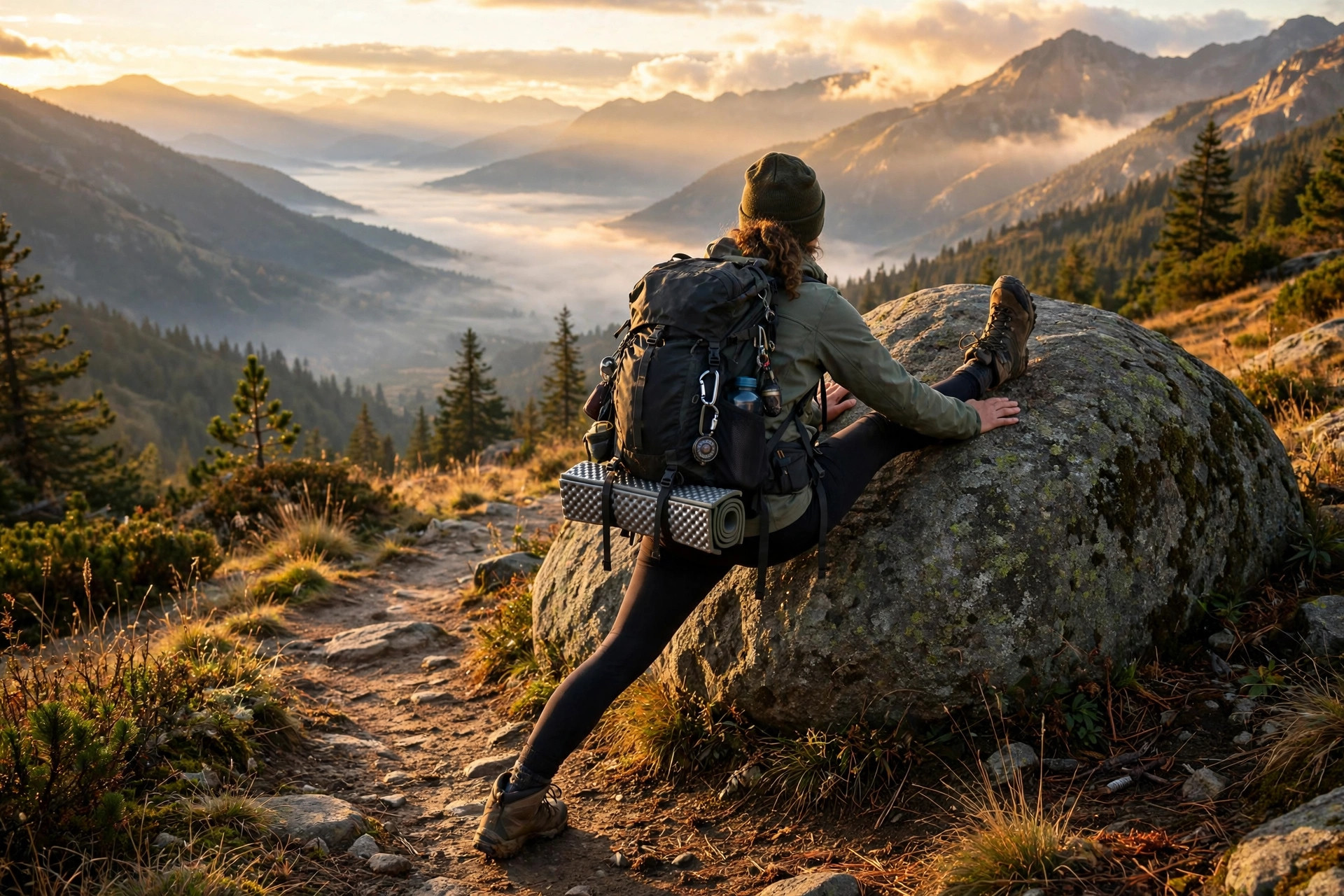
Plantar fasciitis is the thru-hiker’s nemesis: a stabbing heel pain that greets you with your first steps in the morning and punishes every downhill. The wrong shoes — flat, unsupportive, worn-out — make it worse. The right shoes, with real arch support and a structured heel cup, can be the difference between finishing your hike and limping back to the trailhead.
Quick answer: The best hiking shoes for plantar fasciitis are the Hoka Anacapa 2 Low GTX — APMA-accepted, with a rockered sole that unloads the plantar fascia — followed by the Brooks Caldera 8 for max cushioning and the Merrell Moab 3 for proven arch support at a lower price. All three combine firm arch structure, deep heel cups, and 8–10mm of drop, which is what painful heels need.
Disclosure: Trail Tested is reader-supported. When you buy through links on this page, we may earn a commission at no extra cost to you. Learn more. All picks are compiled picks — see how we rate gear. (We’re hikers and researchers, not doctors — this isn’t medical advice.)
The 4 best hiking shoes for plantar fasciitis
1. Hoka Anacapa 2 Low GTX — the best overall
Hoka Anacapa 2 Low GTX at Hoka- Price: $180
- Weight: ~17.3 oz per shoe (men’s 9)
- Upper: Waterproof nubuck leather and recycled mesh
- Drop: ~8mm heel-to-toe
- Waterproofing: Gore-Tex
- Notable: Accepted by the American Podiatric Medical Association (APMA); Meta-Rocker geometry; Vibram Megagrip outsole
Why it’s a compiled pick: The Anacapa 2 is the rare hiking shoe with a podiatrist association’s stamp of approval, and it earns it: the rockered sole literally rolls you through each step so your plantar fascia stretches less, the arch support is firm rather than decorative, and the Gore-Tex build handles wet trails. It’s the consensus top pick across PF-focused roundups for 2026. The price stings, but heel pain that ruins trips costs more.
2. Brooks Caldera 8 — the max-cushion pick
Brooks Caldera 8 at Bass Pro Shops- Price: $160 (often on sale under $120)
- Weight: ~10.6 oz per shoe (men’s 9)
- Upper: Engineered mesh
- Drop: 8mm heel-to-toe
- Stack: 38mm heel / 30mm forefoot
- Notable: DNA Loft v3 nitrogen-infused cushioning; TrailTack Green rubber outsole (25% recycled)
Why it’s a compiled pick: When your heels hurt, cushioning is medicine — and the Caldera 8 delivers one of the thickest, softest landings in trail footwear. The 8mm drop keeps the plantar fascia in its happy zone, and the broad, stable platform prevents the wobble that aggravates PF on uneven ground. It’s lighter than the Hoka by a wide margin, making it the pick for PF sufferers who want max softness without a heavy boot.
3. Merrell Moab 3 — the proven value pick
Merrell Moab 3 at Merrell- Price: $145
- Weight: ~15.9 oz per shoe (men’s 9)
- Upper: Pigskin leather and breathable mesh
- Drop: ~10mm heel-to-toe
- Waterproofing: Waterproof version available
- Notable: Contoured arch support and structured heel cup are standouts in this price range; available in wide (2E)
Why it’s a compiled pick: The Moab 3 keeps showing up in PF roundups because its arch support is genuinely structural — not the flimsy foam arch bump many shoes pass off as “support.” Reviewers with plantar fasciitis consistently report all-day comfort with no aftermarket insoles needed, which is rare at this price. If your PF is mild-to-moderate and you want a do-everything hiker that doesn’t scream “orthopedic,” start here.
4. OrthoComfoot Trail Runner — the budget PF specialist
Available on Amazon — search “OrthoComfoot hiking shoes” (around $46)
- Price: ~$46
- Weight: Lightweight mesh build
- Upper: Breathable mesh with synthetic overlays
- Drop: Moderate heel-to-toe offset
- Notable: Built-in orthotic-style insole with pronounced arch support; designed specifically for plantar fasciitis sufferers
Why it’s a compiled pick: This is the budget outlier that PF roundups keep including: a sub-$50 shoe engineered around arch support rather than trail performance. It won’t match the Hoka or Brooks for durability, traction, or waterproofing — think of it as a day-hike and walkaround shoe, not a backpacking boot. But for the price of a single podiatrist copay, it’s a legitimate way to test whether structured arch support calms your heel pain before investing $160+.
Spec comparison
| Shoe | Price | Drop | Weight (men’s 9) | Key PF feature |
|---|---|---|---|---|
| Hoka Anacapa 2 Low GTX | $180 | ~8mm | ~17.3 oz | APMA-accepted; rockered sole |
| Brooks Caldera 8 | $160 | 8mm | ~10.6 oz | Max DNA Loft v3 cushioning |
| Merrell Moab 3 | $145 | ~10mm | ~15.9 oz | Structural arch + deep heel cup |
| OrthoComfoot Trail Runner | ~$46 | Moderate | Light | Built-in orthotic insole |
How to choose hiking shoes for plantar fasciitis
Prioritize structure over softness. A marshmallow-soft shoe with no arch support lets your fascia collapse and stretch with every step — exactly what you don’t want. Look for firm, non-collapsing arch support you can feel when you press the midsole, plus a heel cup deep enough to cradle your heel.
Keep the drop in the 8–12mm range. This is the podiatrist consensus for symptomatic PF: enough heel lift to reduce fascia tension, not so much that it creates other problems. Skip zero-drop shoes until you’re pain-free.
Don’t hike in dead shoes. EVA foam breaks down after 300–500 miles, and the arch support goes first. If your trusty hikers are past their mileage, they’re actively hurting you — retire them.
Stretch and roll. Shoes are half the equation. Daily calf stretches, rolling your arch on a frozen water bottle for 10 minutes, and wearing supportive footwear (not barefoot) around camp all speed recovery.
Know when to see a doctor. If heel pain persists more than a few weeks despite good shoes and self-care, or if it’s getting worse, see a podiatrist. Stress fractures and nerve entrapment can mimic PF.
FAQ
What should I look for in a hiking shoe for plantar fasciitis? Three things: firm arch support that doesn’t collapse under load, a deep structured heel cup that cradles the fat pad under your heel, and enough cushioning to reduce impact at heel strike. A rockered sole (like Hoka’s) also helps by reducing how much your plantar fascia has to stretch with each step.
Are zero-drop shoes bad for plantar fasciitis? Usually, yes — at least while you’re symptomatic. Zero-drop increases the stretch load on the plantar fascia and Achilles with every step. Most podiatrists recommend 8–12mm of drop for PF sufferers. Save the zero-drop experiment for after you’re pain-free, and transition very slowly.
Should I add insoles to hiking shoes for plantar fasciitis? Often a good idea. A supportive aftermarket insole (Superfeet, Powerstep) can upgrade an average shoe’s arch support significantly. But start with a shoe that already has good built-in structure — an insole can’t fix a floppy, unsupportive shoe.
Can I still hike with plantar fasciitis? Many people can, with the right shoes, shorter mileage, and attention to recovery (calf stretching, frozen water bottle rolls, night splints). But sharp, worsening heel pain is your body telling you to rest — see a podiatrist if pain persists beyond a few weeks of self-care.
Do I need boots or are trail shoes okay for plantar fasciitis? Either works as long as the support is there. Trail shoes are lighter and often better cushioned; boots add ankle stability on rough terrain. What matters is arch support, heel cup structure, and cushioning — not the height of the collar.
Related guides
- Feet & Footwear hub — every shoe and foot-problem guide in one place
- Best Hiking Shoes for Wide Feet (Men’s) — when width and heel pain combine
- Best Hiking Socks for Wide Feet — the right socks reduce foot fatigue too
- How to Prevent Blisters Hiking — because PF sufferers change their gait, which causes hot spots
Are you hiking through heel pain right now, or on the mend? Share what’s working via the contact page — real recovery stories help other hikers stay on the trail.
Heads up: some links on this page are affiliate links — if you buy through them we may earn a commission at no extra cost to you. Learn more.
Frequently asked questions
What should I look for in a hiking shoe for plantar fasciitis?
Three things: firm arch support that doesn’t collapse under load, a deep structured heel cup that cradles the fat pad under your heel, and enough cushioning to reduce impact at heel strike. A rockered sole (like Hoka’s) also helps by reducing how much your plantar fascia has to stretch with each step.
Are zero-drop shoes bad for plantar fasciitis?
Usually, yes — at least while you’re symptomatic. Zero-drop increases the stretch load on the plantar fascia and Achilles with every step. Most podiatrists recommend 8–12mm of drop for PF sufferers. Save the zero-drop experiment for after you’re pain-free, and transition very slowly.
Should I add insoles to hiking shoes for plantar fasciitis?
Often a good idea. A supportive aftermarket insole (Superfeet, Powerstep) can upgrade an average shoe’s arch support significantly. But start with a shoe that already has good built-in structure — an insole can’t fix a floppy, unsupportive shoe.
Can I still hike with plantar fasciitis?
Many people can, with the right shoes, shorter mileage, and attention to recovery (calf stretching, frozen water bottle rolls, night splints). But sharp, worsening heel pain is your body telling you to rest — see a podiatrist if pain persists beyond a few weeks of self-care.
Do I need boots or are trail shoes okay for plantar fasciitis?
Either works as long as the support is there. Trail shoes are lighter and often better cushioned; boots add ankle stability on rough terrain. What matters is arch support, heel cup structure, and cushioning — not the height of the collar.