
Best Hiking Boots for Wide Feet (2026)
The 5 best hiking boots for wide feet (2026): KEEN Targhee IV, Merrell Moab 3, Lowa Renegade and more — roomy waterproof boots compared side by side.
In this guide
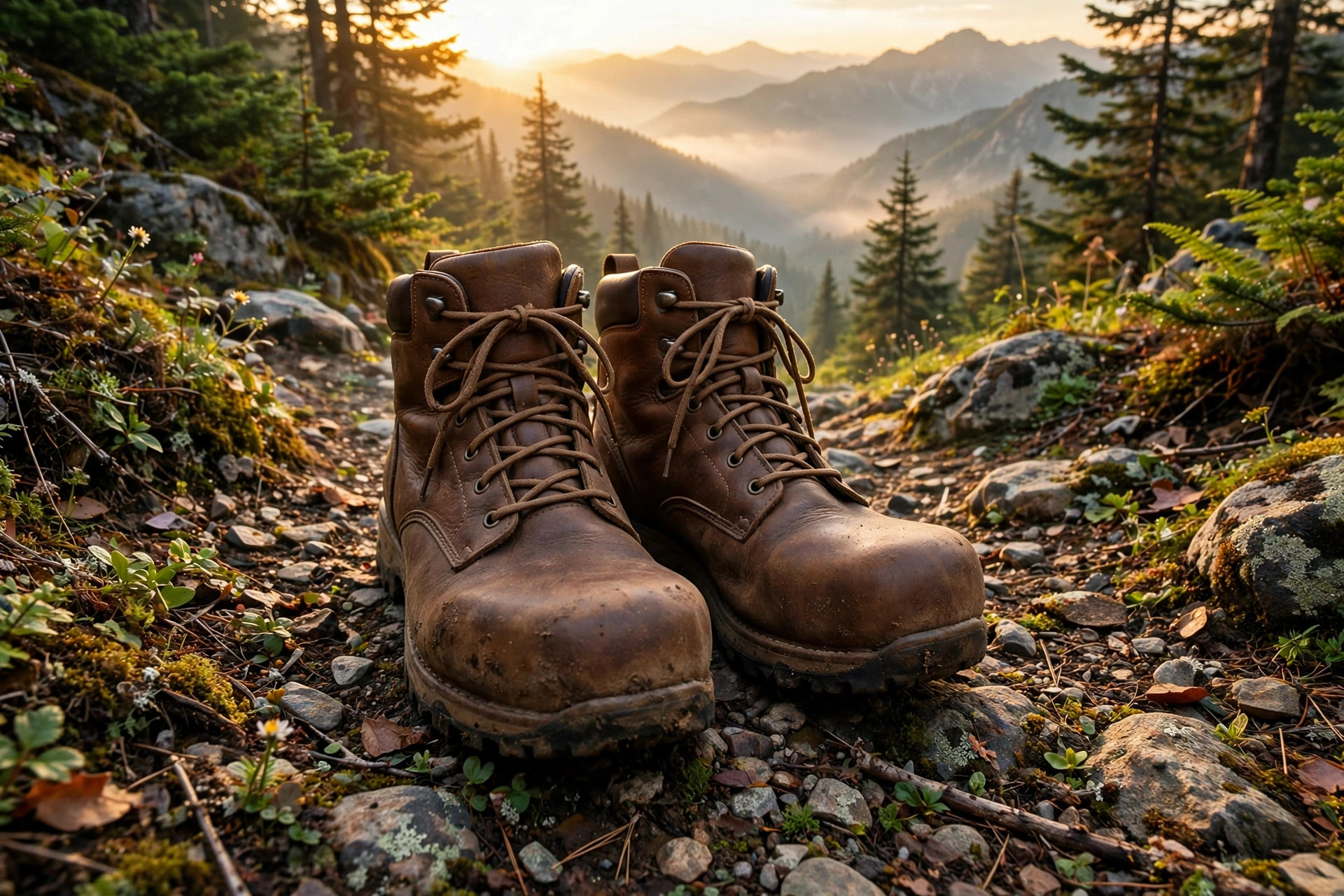
Wide feet need boots that don’t punish them. Our top pick is the KEEN Targhee IV Mid Waterproof (~$190) — the boot independent testers keep recommending specifically for wide feet, sold in medium and true wide widths with a toe box that’s roomy even before you size up. Below it: the best-selling comfort boot in wide, a resoleable German-made premium option, a ~$100 wide-fit bargain, and the best women’s wide option.
Disclosure: Trail Tested is reader-supported. When you buy through links on this page, we may earn a commission at no extra cost to you. Learn more. All picks are compiled from verified manufacturer specs, aggregated buyer reviews, and independent review outlets — see how we rate gear.
Contents
Our top picks
Best Overall: KEEN Targhee IV Mid Waterproof — ~$190
Check price- Price: ~$190 (frequently ~$135 on sale)
- Upper: Nubuck leather
- Waterproofing: KEEN.DRY membrane
- Cut: Mid — ankle support
- Widths: Medium and true wide; sizes 7–15
What we like:
- The boot independent testers cite first for wide feet — CNN Underscored’s wide-footed testers called even the standard fit “extremely comfortable”
- Naturally roomy toe box; no stretching or break-in needed to feel right
- Nubuck leather shrugs off rocks and brush for years of hard use
- Aggressive 4 mm lugs grip well on most surfaces
What we don’t:
- Hefty at 2 lb 8.6 oz per pair — you feel it on mile 10
- Runs warm; testers noted heat on summer days
- Thinner cushioning than plush rivals — tired feet on very long days
Why it’s a compiled pick: The Targhee line earned its wide-foot reputation over two decades, and the fourth generation keeps it: roomy in standard width, with a true wide for those who need more. Sale prices near $135 make it the wide-foot favorite and a genuine bargain at once.
Best for Long Days: Merrell Moab 3 Mid Waterproof — ~$175
Check price- Price: ~$175 (wide version often ~$140 on sale)
- Upper: Suede and mesh
- Waterproofing: Merrell waterproof membrane
- Cut: Mid — sneaker-like athletic fit
- Widths: Medium and wide; sizes 7–15
What we like:
- The best-selling hiking boot line in the world, with a review record nothing else here touches
- Vibram TC5+ outsole with 5 mm lugs — the best traction in this guide
- Comfortable on day one; the Super Rebound Compound midsole soaks up miles
- Light for a boot at 2 lb 2.9 oz per pair
What we don’t:
- Suede/mesh upper won’t outlast full-grain leather under heavy abuse
- Standard width runs a touch narrow — wide-foot hikers should order the wide
- Mesh-panel durability is the most common long-term complaint
Why it’s a compiled pick: Millions of hikers keep buying the same boot — cushioned, grippy, waterproof, and available in wide. It’s the boot most likely to convert a skeptical wide-foot hiker on the first hike.
Best Premium: Lowa Renegade GTX Mid — ~$255
Check price- Price: ~$255
- Upper: Nubuck leather
- Waterproofing: GORE-TEX lining
- Cut: Mid — handcrafted, slip-lasted
- Widths: Narrow, medium, and wide; sizes 7.5–16
What we like:
- Offered in three widths — wide feet get a real wide last, not a stretched medium
- Comfortable out of the box with virtually no break-in, per decades of hiker reports
- Resoleable: a cobbler can rebuild the Vibram Evo sole, so it lasts years, not seasons
- Double-injection DuraPU midsole doesn’t collapse under heavy pack loads
What we don’t:
- The price — $255 is a real investment
- Heavier than the Merrell by a noticeable margin
- Wide availability can be spotty; check before committing
Why it’s a compiled pick: A top seller for 25+ years for one reason — fit: three widths, a proper wide last, and a Monowrap frame that stabilizes without pinching. It’s the boot wide-foot hikers graduate to when hiking becomes a lifestyle. Expensive, but the last pair you’ll buy for a long time.
Best Budget: Columbia Newton Ridge Plus II Waterproof — ~$100
Check price- Price: ~$100 (often $62–$83 on sale)
- Upper: Full-grain leather and suede
- Waterproofing: Columbia Omni-Tech membrane
- Cut: Mid — genuine ankle support
- Widths: Men’s and women’s; wide versions available
What we like:
- Full-grain leather at $100 — unheard of elsewhere in this guide
- Wide versions exist, which matters when you’re guessing fit on a budget
- Omni-Tech waterproofing handles rain and stream crossings honestly
- Proven by tens of thousands of buyer ratings as the starter boot people graduate from, not regret
What we don’t:
- Omni-Grip traction is decent on dry trails but weaker than Vibram in mud
- Slightly stiff out of the box — give it a few short walks first
- Nobody buys these for looks
Why it’s a compiled pick: It’s our overall winner in the beginner boots guide, and earns a second spot here for one reason: wide versions at a price where most brands don’t bother offering wide at all. The safest $100 a budget wide-foot hiker can spend.
Best for Women: KEEN Women’s Targhee IV Mid Waterproof — ~$190
Check price- Price: ~$190 (frequently on sale)
- Upper: Nubuck leather
- Waterproofing: KEEN.DRY membrane
- Cut: Mid — ankle support on a women’s last
- Widths: Medium and wide; women’s sizes 5–12
What we like:
- Same wide-foot DNA as our overall winner, built on a last shaped for women’s feet
- True wide option — not a relabeled men’s wide
- KEEN.DRY waterproofing plus nubuck leather for real trail durability
- Frequently discounted — the cheapest quality women’s wide boot in sales season
What we don’t:
- Heavy for a “mid” boot, like the men’s version
- Runs warm in summer heat
- Popular sizes and widths sell out during sales — plan ahead
Why it’s a compiled pick: Women-specific boots aren’t a gimmick — heel shape, arch placement, and calf volume genuinely differ. The Women’s Targhee IV refits everything that makes the men’s version our winner onto a women’s last with a genuine wide option, at the same ~$190 price.
Comparison table
| Boot | Price | Waterproofing | Upper | Widths | Standout trait |
|---|---|---|---|---|---|
| KEEN Targhee IV Mid WP | ~$190 | KEEN.DRY | Nubuck leather | Medium, wide | Wide-foot favorite; sale bargain |
| Merrell Moab 3 Mid WP | ~$175 | Merrell membrane | Suede/mesh | Medium, wide | Best traction; plush miles |
| Lowa Renegade GTX Mid | ~$255 | GORE-TEX | Nubuck leather | Narrow, medium, wide | Premium fit; resoleable |
| Columbia Newton Ridge Plus II WP | ~$100 | Omni-Tech | Full-grain leather/suede | Medium, wide | Cheapest wide option |
| KEEN Women’s Targhee IV Mid WP | ~$190 | KEEN.DRY | Nubuck leather | Medium, wide | Women’s-specific wide fit |
How we picked
Trail Tested has no wear-testing lab, so we’re honest about that: every pick is research-compiled, not hands-on tested. Five hard gates, and only boots clearing all five made the list:
- Wide width actually offered — a true wide (EE) or documented roomy toe box; “runs a little roomy” didn’t qualify.
- Mid-cut ankle coverage — every pick supports the ankle; low-cut shoes are a different guide.
- Real waterproof membrane — Gore-Tex, KEEN.DRY, B-Dry, or a brand membrane with a proven record.
- Forgiving fit — minimal break-in; fits that don’t punish a first-time buyer guessing their size.
- Proven in the wild — thousands of aggregated buyer ratings plus independent coverage (CNN Underscored, Trail & Kale’s 2026 roundup, Treeline Review’s spec tables), cross-checked against manufacturer specs.
We rejected boots that failed the width gate outright — including several otherwise excellent boots that only come in medium.
Two mistakes wide-foot hikers make
1. Sizing up instead of sizing wide. A regular-width boot a size longer gives your toes length but leaves the heel sloppy — heel slip means blisters. Wide adds volume where your foot is wide without dead length. Go wide before you go long.
2. Assuming all “wide” boots are equally wide. One brand’s wide can equal another’s medium — KEEN’s medium is roomier than Salomon’s; Lowa’s wide is a dedicated last. Read brand-specific fit notes (Oboz even publishes Brannock-based width tables) and check return policies before committing.
Tested & dismissed
- Salomon X Ultra 5 Mid GTX (~$190): Stable, grippy, well-made — and too narrow for wide feet, per multiple independent testers. Offered only in medium width. Dismissed on the width gate; narrow-foot hikers should still consider it.
- Hoka Kaha 3 GTX (~$240): The comfort-first pick of 2026 roundups, with a Vibram Megagrip outsole and maximum cushion. Dismissed because Hoka offers no wide width — a plush boot you can’t fit is no help.
- Timberland Mt. Maddsen Mid Waterproof (~$130): A solid classic-leather boot and a value pick in our beginner guide. Dismissed here because it comes in standard width only — wide-foot hikers get squeezed, not supported.
FAQ
Do hiking boots run wide, or do I need a wide size?
Some boots run naturally roomy (KEEN’s Targhee line is famous for it), but most standard-width boots taper in the forefoot and will squeeze wide feet. If your forefoot measures wide on a Brannock device, buy the wide version — never size up a full size in a regular width to fake it, because the extra length makes your heel slip.
How should hiking boots fit wide feet?
Your toes should splay without touching the sides, and you should be able to wiggle your pinky toe. Leave a thumb’s width ahead of your longest toe for swelling. The heel should still lock in — a wide boot that’s sloppy in the heel trades blisters on the sides for blisters on the back. Try boots on in the afternoon wearing hiking socks.
Can wide-foot hikers wear regular-width boots?
Only if the specific model runs roomy — the KEEN Targhee IV’s standard width fits some wide feet, which is part of its reputation. But a purpose-built wide (EE) lasts longer and fits better than a stretched regular width, and won’t pressure your bunions or forefoot on long descents.
Do I still need to break in wide hiking boots?
Less than regular boots, but don’t skip it. Even roomy boots need a few short walks for the upper to mold and your socks to settle. Our break-in guide lays out the 20–40 mile ramp that prevents first-hike blisters regardless of width.
Are waterproof wide boots too hot for summer?
Membranes like Gore-Tex breathe adequately in moderate weather, but waterproof boots run warmer than non-waterproof ones in real heat. If most of your hiking is hot and dry, prioritize a wide boot with mesh panels and ventilated construction over a membrane — comfort beats waterproofing you don’t need.
Related guides
- Footwear hub — every boot, shoe, and sock guide in one place
- How to Break In Hiking Boots — the 20–40 mile plan that prevents first-hike blisters
- Best Hiking Boots for Beginners Under $150 — when budget matters more than width
- Best Hiking Shoes for Wide Feet — the low-cut alternative for wide feet
- How to Prevent Blisters While Hiking — fit is half the equation; socks and technique are the rest
Heads up: some links on this page are affiliate links — if you buy through them we may earn a commission at no extra cost to you. Learn more.
Frequently asked questions
Do hiking boots run wide, or do I need a wide size?
Some boots run naturally roomy (KEEN’s Targhee line is famous for it), but most standard-width boots taper in the forefoot and will squeeze wide feet. If your forefoot measures wide on a Brannock device, buy the wide version — never size up a full size in a regular width to fake it, because the extra length makes your heel slip.
How should hiking boots fit wide feet?
Your toes should splay without touching the sides, and you should be able to wiggle your pinky toe. Leave a thumb’s width ahead of your longest toe for swelling. The heel should still lock in — a wide boot that’s sloppy in the heel trades blisters on the sides for blisters on the back. Try boots on in the afternoon wearing hiking socks.
Can wide-foot hikers wear regular-width boots?
Only if the specific model runs roomy — the KEEN Targhee IV’s standard width fits some wide feet, which is part of its reputation. But a purpose-built wide (EE) lasts longer and fits better than a stretched regular width, and won’t pressure your bunions or forefoot on long descents.
Do I still need to break in wide hiking boots?
Less than regular boots, but don’t skip it. Even roomy boots need a few short walks for the upper to mold and your socks to settle. Our break-in guide lays out the 20–40 mile ramp that prevents first-hike blisters regardless of width.
Are waterproof wide boots too hot for summer?
Membranes like Gore-Tex breathe adequately in moderate weather, but waterproof boots run warmer than non-waterproof ones in real heat. If most of your hiking is hot and dry, prioritize a wide boot with mesh panels and ventilated construction over a membrane — comfort beats waterproofing you don’t need.