
Best Hiking Boots for Beginners Under $150 (2026)
The 5 best beginner hiking boots under $150 (2026): ankle-supporting, waterproof picks compared, with fit and break-in tips.
In this guide
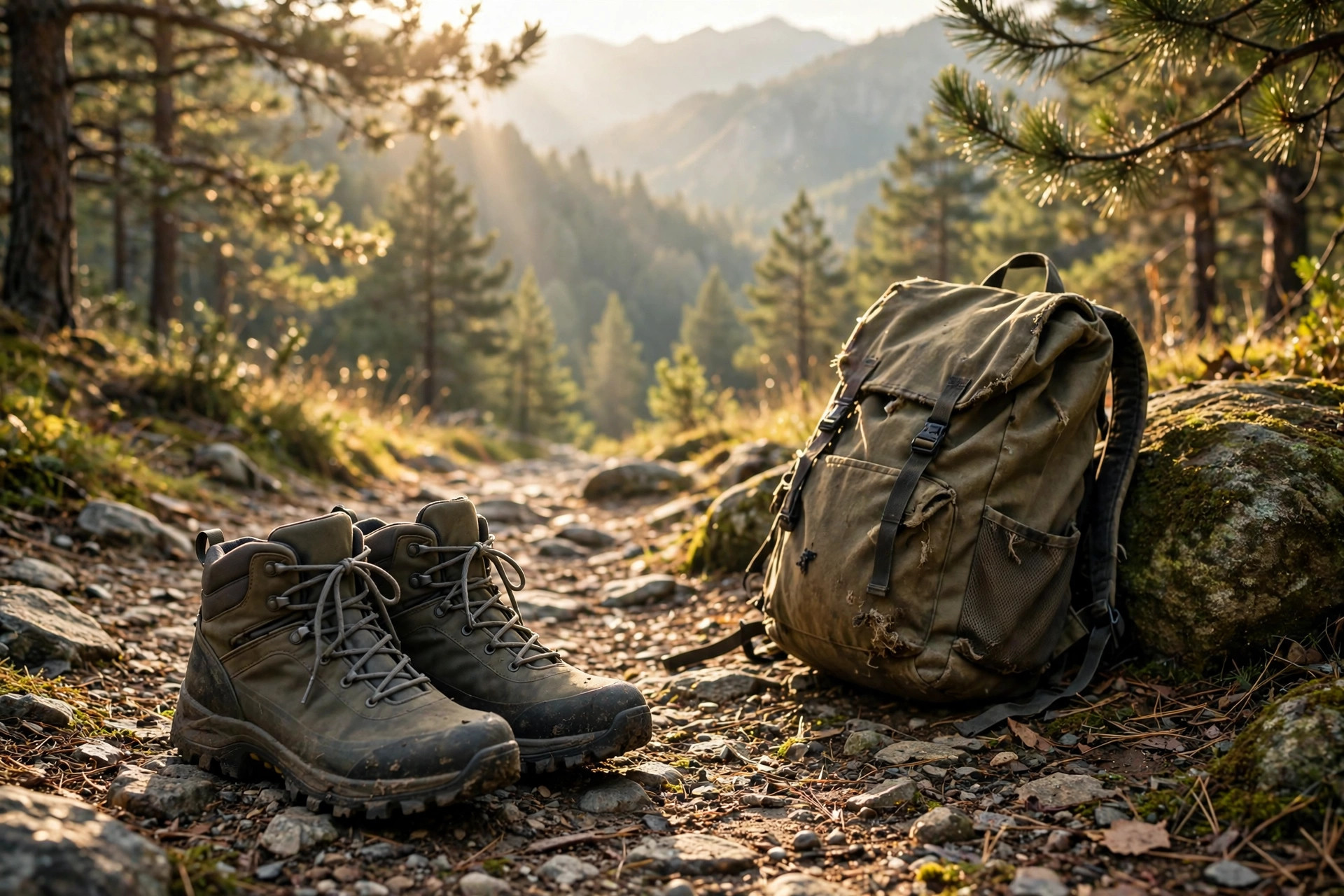
Your first hiking boots should do three things: support your ankles, keep water out, and not require a second mortgage. Every boot here costs under $150, covers the ankle with a mid-cut cuff, and carries a real waterproof membrane. Our top pick is the Columbia Newton Ridge Plus II Waterproof (~$100) — Columbia markets it as a best seller, and the review record backs the reputation: genuine leather, dependable waterproofing, and thousands of beginner miles behind it. Below it: the most comfortable out-of-the-box boot, a $35 stunner for the budget-shy, a classic full-grain leather option, and the best women’s fit.
Disclosure: Trail Tested is reader-supported. When you buy through links on this page, we may earn a commission at no extra cost to you. Learn more. All picks are compiled from verified manufacturer specs, aggregated buyer reviews, and independent review outlets — see how we rate gear.
Contents
Our top picks
Best Overall: Columbia Newton Ridge Plus II Waterproof — ~$100
Check price- Price: ~$100 (often $62–$83 on sale)
- Upper: Full-grain leather and suede
- Waterproofing: Columbia Omni-Tech membrane
- Cut: Mid — genuine ankle support
- Sizing: Men’s and women’s; wide versions available
What we like:
- The rare budget boot that independent testers actually recommend — CNN Underscored called it the obvious choice for beginners
- Real leather upper with a proper mid-cut cuff: actual ankle support, not marketing
- Omni-Tech waterproofing handles stream crossings and rainy afternoons
- Wide sizes exist, which matters hugely for first-time buyers guessing their fit
What we don’t:
- Omni-Grip traction is decent on dry trails but weaker than premium soles in mud
- Slightly stiff out of the box — give it a few short walks first
- The styling is functional; nobody buys these for looks
Why it’s a compiled pick: Across tens of thousands of buyer ratings, the Newton Ridge II keeps showing up as the boot beginners graduate from — not the one they regret. The leather upper molds to your foot, the waterproofing actually holds, and at ~$100 it’s cheap enough that beginners aren’t afraid to use it hard. It’s the safe default, and defaults this good are rare.
Best Comfort Out of the Box: Merrell Speed Strike 2 Mid Waterproof — ~$120
Check price- Price: ~$120 (frequently ~$90 on sale)
- Upper: Synthetic with abrasion-resistant overlays
- Waterproofing: Merrell proprietary waterproof membrane
- Cut: Mid — athletic, sneaker-like fit
- Sizing: Men’s and women’s
What we like:
- Feels like a sneaker on day one — the closest thing to zero break-in in this price class
- Lighter, more athletic ride than traditional leather boots
- Regular sale pricing near $90 makes it the comfort pick and nearly the budget pick
- Grippy enough outsole for the easy-to-moderate trails beginners actually hike
What we don’t:
- Synthetic upper won’t outlast full-grain leather over years of abuse
- Proprietary outsole and membrane lack the long track record of Vibram or Gore-Tex
- Sale sizes and colorways are limited — popular sizes sell out
Why it’s a compiled pick: The number-one reason beginners quit isn’t fitness — it’s misery in the first three hikes. The Speed Strike 2 attacks that directly: a boot that feels broken-in on the first wear, waterproof, under $120. If you’ve been burned by stiff boots before, start here.
Best Ultra-Budget: Decathlon Quechua NH100 Mid Waterproof — ~$35–50
Check price- Price: ~$35 on sale (list ~$50)
- Upper: Synthetic
- Waterproofing: Decathlon rates the membrane at 2,000 lab flexes (~2 hours of hiking in rain)
- Cut: Mid with padded ankle collar
- Rating: 4.5 stars from 3,000+ Decathlon reviews
What we like:
- Unbeatable price — less than most hiking socks cost in pairs
- Thousands of beginner reviews praise the ankle padding and out-of-box comfort
- Genuinely waterproof for light rain and wet grass, the conditions most beginners meet
- Available in men’s and women’s versions at Decathlon stores worldwide
What we don’t:
- Basic traction — fine for park trails, not for scree or steep mud
- Decathlon’s own rating is about 2 hours of wet hiking, not all-day downpours
- Runs warm; it’s a fair-weather boot, not a four-season one
Why it’s a compiled pick: At $35, the NH100 removes the last excuse for hiking in sneakers. Buyer reviews from hundreds of first-time hikers describe exactly what a beginner needs: ankle padding, a mid-cut cuff, and enough grip for real trails. Buy this if you’re not sure hiking is your thing yet — it’s the cheapest honest trial run in footwear.
Best Classic Leather: Timberland Mt. Maddsen Mid Waterproof — ~$120
Check price- Price: ~$120
- Upper: Full-grain waterproof leather
- Waterproofing: TimberDry waterproof membrane
- Cut: Mid with padded collar
- Extras: Anti-fatigue removable footbed
What we like:
- Full-grain leather that ages well and shrugs off brush and rock scrapes
- TimberDry membrane plus fully gusseted tongue keeps water out properly
- Anti-fatigue footbed genuinely helps on long days — a real comfort feature, not fluff
- The classic work-boot look wears well off-trail too
What we don’t:
- Heaviest pick in this roundup — you feel it on mile 8
- Leather needs a real break-in period; see our break-in guide
- Priced above the Columbia with similar trail performance — you’re paying for the leather
Why it’s a compiled pick: Some beginners want a boot that looks and feels substantial. The Mt. Maddsen is the traditional answer: real leather, a serious waterproof membrane, and a footbed designed for long days standing and walking. If the Columbia feels too “sporty,” this is the classic alternative.
Best for Women: Columbia Women’s Newton Ridge Plus Waterproof — ~$100
Check price- Price: ~$100 (from ~$72 on sale)
- Upper: Full-grain leather and suede
- Waterproofing: Columbia Omni-Tech membrane
- Cut: Mid — ankle support tuned for a women’s last
- Sizing: Women’s 5–12, including half sizes
What we like:
- Same proven DNA as our overall winner, on a last shaped for women’s feet
- Frequently the cheapest quality women’s boot available during sales
- Independent testers singled it out as the best-value women’s waterproof boot
- Padded collar and cushioned midsole — comfortable on the first long day
What we don’t:
- Women’s wide options are harder to find than the men’s wides
- Heel can feel roomy for narrow-footed hikers — try before committing
- Popular sizes vanish fast during seasonal sales
Why it’s a compiled pick: Women-specific boots aren’t a marketing gimmick — heel shape, arch placement, and calf volume genuinely differ, and a boot built on a women’s last fits better out of the box. The Women’s Newton Ridge Plus takes everything that makes the men’s version our overall winner and refits it properly, at the same ~$100 price.
Comparison table
| Boot | Price | Waterproofing | Upper | Cut | Standout trait |
|---|---|---|---|---|---|
| Columbia Newton Ridge Plus II WP | ~$100 | Omni-Tech | Full-grain leather/suede | Mid | Best all-rounder; wide sizes |
| Merrell Speed Strike 2 Mid WP | ~$120 | Proprietary membrane | Synthetic | Mid | Zero break-in comfort |
| Decathlon Quechua NH100 Mid WP | ~$35–50 | Decathlon-rated (~2 h) | Synthetic | Mid | Cheapest honest boot |
| Timberland Mt. Maddsen Mid WP | ~$120 | TimberDry | Full-grain leather | Mid | Classic leather build |
| Columbia Women’s Newton Ridge Plus WP | ~$100 | Omni-Tech | Full-grain leather/suede | Mid | Women’s-specific fit |
How we picked
Trail Tested has no wear-testing lab, so we’re honest about that: every pick is research-compiled, not hands-on tested. We set five hard gates and only boots clearing all five made the list:
- Under $150 at normal prices — list price or everyday street price, not a one-day doorbuster.
- Mid-cut ankle coverage — every pick supports the ankle; low-cut shoes are a different guide.
- Real waterproof membrane — proprietary is fine, but “water-resistant coating” alone didn’t qualify.
- Beginner-friendly fit — minimal break-in, available in wide or women’s versions where it matters.
- Proven in the wild — thousands of aggregated buyer ratings plus independent coverage (CNN Underscored’s hiking-boot testing, Outside’s gear coverage), cross-checked against manufacturer specs.
We rejected boots that missed the budget ceiling even slightly, and boots with strong marketing but thin review evidence.
Three mistakes beginners make buying boots
1. Buying too small. Feet swell on the trail — the boots that fit perfectly in the store will crush your toes on mile five. Always leave that thumb’s width of room, and always try boots on with hiking socks, in the afternoon.
2. Skipping the break-in. Even “comfortable out of the box” boots need a few short walks before a 10-miler. Blisters on hike one are the top reason beginners quit; our break-in guide turns three weeks of casual wear into zero blisters.
3. Overbuying stiffness. Heavy mountaineering-style boots feel reassuring in the store and punishing on the trail. For your first seasons, a flexible mid-cut boot like the picks here protects your ankles without fighting every step.
Tested & dismissed
- Merrell Moab 3 Mid Waterproof (~$170): The king of beginner boots — best-selling hiking line in the world, Vibram outsole, no break-in. Dismissed purely on price: $170 list breaks the under-$150 ceiling this guide promises. If your budget stretches, it’s the upgrade pick.
- KEEN Targhee III Mid Waterproof (~$175+): Legendary wide-foot fit and durability, a favorite of hiking guides. Dismissed on price — it anchors the next price tier up, not this one.
- NORTIV 8 Men’s Ankle High (~$60): Tempting on Amazon, but buyer reviews report inconsistent sizing and short-lived soles. A first boot you can’t trust is worse than no boot; dismissed for unpredictable quality.
FAQ
Do beginners need hiking boots, or are trail shoes enough?
Boots win for beginners on rocky, uneven, or muddy trails and whenever you carry a pack — the mid-cut cuff and stiffer sole protect ankles and stabilize your stride. Trail shoes are fine for flat, groomed paths in dry weather, but boots are the safer first purchase.
How should hiking boots fit?
Leave a thumb’s width of space ahead of your longest toe, and your heel should barely lift when you walk uphill. Try boots on in the afternoon (feet swell during the day) wearing the hiking socks you’ll actually use. Snug in the heel, roomy in the toes.
How long does it take to break in hiking boots?
Modern boots like the ones here need 20–40 miles, not the weeks old leather boots demanded. Wear them on errands and short walks first, then graduate to real trails — ramping distance before elevation. If hot spots appear on short walks, adjust lacing or socks before the next outing. See our full break-in plan for the step-by-step method.
Are waterproof hiking boots worth it for beginners?
Yes for wet, muddy, or shoulder-season hiking — waterproofing keeps a surprise stream crossing or rainy afternoon from ending your trip. In hot, dry summer weather, non-waterproof boots breathe better and dry faster. All five picks here are waterproof, the safer default for a first pair you’ll use in mixed conditions.
When should I replace my hiking boots?
After roughly 500–800 miles, or sooner if the lugs are worn smooth, the midsole feels dead and compressed, or the waterproofing fails despite re-treatment. Beginners hiking weekends usually get 2–4 seasons from a quality pair — track your miles in a rough log so you catch worn-out boots before they cause injuries.
Related guides
- Footwear hub — every boot, shoe, and sock guide in one place
- How to Break In Hiking Boots — the 20–40 mile plan that prevents first-hike blisters
- Best Hiking Shoes for Wide Feet — when the issue is width, not height
- How to Prevent Blisters While Hiking — boots are half the equation; socks and fit are the rest
Heads up: some links on this page are affiliate links — if you buy through them we may earn a commission at no extra cost to you. Learn more.
Frequently asked questions
Do beginners need hiking boots, or are trail shoes enough?
Boots win for beginners on rocky, uneven, or muddy trails and whenever you carry a pack — the mid-cut cuff and stiffer sole protect ankles and stabilize your stride. Trail shoes are fine for flat, groomed paths in dry weather, but boots are the safer first purchase.
How should hiking boots fit?
Leave a thumb’s width of space ahead of your longest toe, and your heel should barely lift when you walk uphill. Try boots on in the afternoon (feet swell during the day) wearing the hiking socks you’ll actually use. Snug in the heel, roomy in the toes.
How long does it take to break in hiking boots?
Modern boots like the ones here need 20–40 miles, not the weeks old leather boots demanded. Wear them on errands and short walks first, then graduate to real trails — ramping distance before elevation. If hot spots appear on short walks, adjust lacing or socks before the next outing. See our full break-in plan for the step-by-step method.
Are waterproof hiking boots worth it for beginners?
Yes for wet, muddy, or shoulder-season hiking — waterproofing keeps a surprise stream crossing or rainy afternoon from ending your trip. In hot, dry summer weather, non-waterproof boots breathe better and dry faster. All five picks here are waterproof, the safer default for a first pair you’ll use in mixed conditions.
When should I replace my hiking boots?
After roughly 500–800 miles, or sooner if the lugs are worn smooth, the midsole feels dead and compressed, or the waterproofing fails despite re-treatment. Beginners hiking weekends usually get 2–4 seasons from a quality pair — track your miles in a rough log so you catch worn-out boots before they cause injuries.