Altra Lone Peak vs Topo Ultraventure for Wide Feet (2026)
Two roomy trail shoes, one decision. Compare the Altra Lone Peak 9 vs Topo Ultraventure 4/5 for wide feet — toe box, drop, cushioning, traction, and which wide-footed hiker should buy which.
In this guide
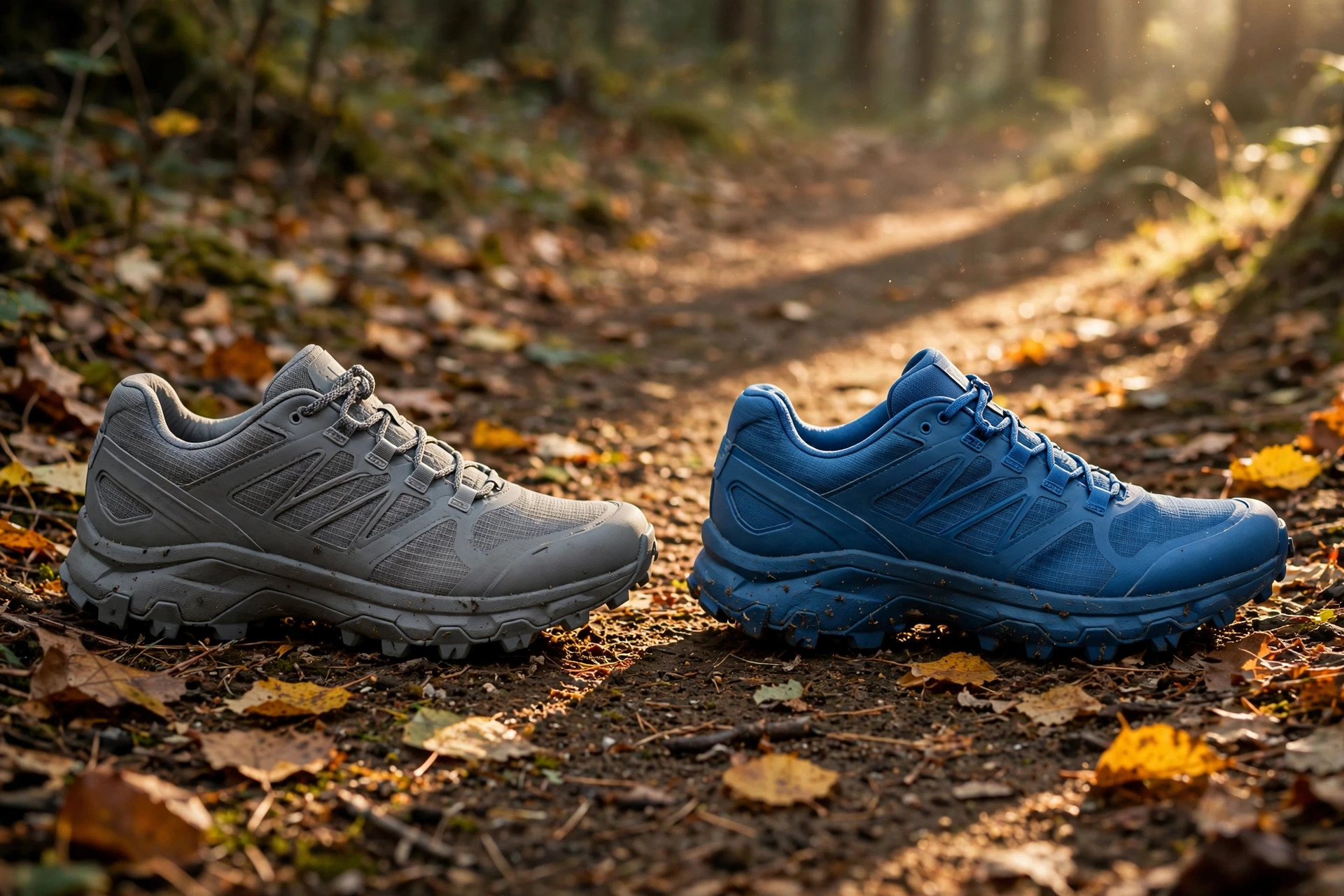
If you have wide feet and hike in trail runners, your shortlist probably has exactly two names on it: Altra’s Lone Peak and Topo Athletic’s Ultraventure. They’re the only mainstream trail shoes built around genuinely foot-shaped, splay-friendly toe boxes — and choosing between them comes down to drop, cushioning philosophy, and how your feet actually work.
Quick answer: For the widest feet, the Altra Lone Peak 9 wins — its FootShape toe box is the roomiest in the category and it comes in a dedicated Wide. For everyone else, the Topo Ultraventure 4 is the smarter buy: similar toe-box freedom with a friendlier 5mm drop, better wet traction from its Vibram Megagrip outsole, and longer tread life. Zero-drop devotees go Altra; transitioning heel-strikers go Topo.
Disclosure: Trail Tested is reader-supported. When you buy through links on this page, we may earn a commission at no extra cost to you. Learn more. All picks are compiled picks — see how we rate gear.
Head-to-head: Lone Peak 9 vs Ultraventure 4
Altra Lone Peak 9
Altra Lone Peak 9 at Altra- Price: $160
- Weight: ~11.3 oz (men’s 9)
- Drop: 0mm (true zero-drop)
- Stack: 25mm / 25mm
- Toe box: FootShape — the widest standard toe box in trail running; Wide version available
- Outsole: MaxTrac rubber
- Notable: The thru-hiker’s default shoe; massive aftermarket of wide-foot fans
The case for the Lone Peak: If your feet are genuinely wide (2E+), nothing fits like a Lone Peak Wide. The FootShape toe box doesn’t just run wide — it’s shaped like an actual foot, so your big toe isn’t angled inward and your pinky toe isn’t crushed. Years of thru-hiker feedback confirm it handles foot swelling over 20-mile days better than anything else. The zero-drop platform encourages a natural midfoot stride that many hikers find kinder on knees.
The case against: Zero-drop is a commitment. Coming from traditional shoes, your calves and Achilles will protest for weeks — transition gradually or risk injury. And the MaxTrac outsole, while decent, wears faster and grips wet rock less confidently than Vibram Megagrip.
Topo Ultraventure 4
Topo Ultraventure 4 at Campmor- Price: $155 (frequently on sale under $115)
- Weight: ~10.7 oz (men’s 9)
- Drop: 5mm
- Stack: 35mm / 30mm
- Toe box: Anatomical/roomy — wide and foot-shaped, slightly less voluminous than Altra
- Outsole: Vibram Megagrip
- Notable: ZipFoam midsole; FKT insole; the “Altra for people who aren’t ready for zero-drop”
The case for the Ultraventure: It’s 95% of the Lone Peak’s toe-box freedom with none of the zero-drop drama. The 5mm drop feels familiar to anyone coming from traditional trail shoes, the extra stack height (35mm vs 25mm) gives more underfoot protection on rocky trails, and the Vibram Megagrip outsole is simply better — grippier on wet rock, longer-lasting on abrasive granite. It also tends to be cheaper on sale.
The case against: If you’re a true 4E, the Ultraventure’s standard width may not be enough — Topo’s wide options are more limited than Altra’s (the Ultraventure 5 added a women’s wide, but men’s wide remains scarce). And zero-drop loyalists will find even 5mm feels like a heel wedge.
Spec comparison
| Altra Lone Peak 9 | Topo Ultraventure 4 | |
|---|---|---|
| Price | $160 | $155 |
| Weight (men’s 9) | ~11.3 oz | ~10.7 oz |
| Drop | 0mm | 5mm |
| Stack height | 25mm / 25mm | 35mm / 30mm |
| Toe box | Widest in class; Wide version | Roomy anatomical; limited wide options |
| Outsole | MaxTrac | Vibram Megagrip |
| Waterproof version | Lone Peak 9 GTX ($165+) | No |
| Typical lifespan | ~400–500 miles | ~500+ miles |
Which should you buy?
Buy the Altra Lone Peak 9 if: your feet are 2E or wider (get the Wide version), you’re already adapted to zero-drop or willing to transition carefully, you prioritize toe splay above all else, or you want the most proven thru-hiking shoe in existence.
Buy the Topo Ultraventure 4 if: you’re coming from traditional shoes and want a gentler transition, you hike a lot of wet rock (the Megagrip advantage is real), you want more underfoot cushioning, or you found the Lone Peak’s zero-drop too aggressive.
The honest truth: most wide-footed hikers would be happy in either. The toe boxes are both excellent, both weigh about the same, and both cost about the same. The decision is really about drop philosophy — and if you’re unsure, the Topo’s 5mm is the lower-risk starting point.
FAQ
Which is wider — Altra Lone Peak or Topo Ultraventure? The Altra Lone Peak has the roomier toe box overall — its FootShape design is the widest in the trail category, and it comes in a dedicated Wide version. The Topo Ultraventure is also generously wide with an anatomical toe box, but its standard width runs slightly narrower than Altra’s standard.
Is the Topo Ultraventure a zero-drop shoe? No. The Ultraventure has a 5mm heel-to-toe drop, while the Lone Peak is true zero-drop (0mm). That 5mm makes the Topo the easier transition for hikers coming from traditional 8–10mm drop shoes.
Which is better for thru-hiking? Both have thru-hiking credentials, but the Lone Peak is the more proven thru-hike shoe — it’s been the most common shoe on trails like the PCT and AT for years. The Ultraventure’s Vibram Megagrip outsole gives it an edge in wet traction and durability.
Can I switch from Altra to Topo without transition issues? Going from Altra (0mm) to Topo (5mm) is easy — you’re adding a little heel lift, which most feet welcome. Going the other direction (Topo to Altra) means dropping to zero, so transition gradually over a few weeks of short hikes.
Which one lasts longer? The Ultraventure generally wins on durability — the Vibram Megagrip outsole outlasts Altra’s MaxTrac rubber, and Topo’s uppers tend to hold up better. Expect roughly 400–500 miles from the Lone Peak and 500+ from the Ultraventure, though both vary with terrain and gait.
Related guides
- Feet & Footwear hub — every shoe and foot-problem guide in one place
- Best Hiking Shoes for Wide Feet (Men’s) — the full wide-foot shortlist
- Best Hiking Shoes for Plantar Fasciitis — when heel pain is the main problem
Team Altra or Team Topo? Tell us which won for your feet via the contact page — wide-foot field reports settle debates.
Heads up: some links on this page are affiliate links — if you buy through them we may earn a commission at no extra cost to you. Learn more.
Frequently asked questions
Which is wider — Altra Lone Peak or Topo Ultraventure?
The Altra Lone Peak has the roomier toe box overall — its FootShape design is the widest in the trail category, and it comes in a dedicated Wide version. The Topo Ultraventure is also generously wide with an anatomical toe box, but its standard width runs slightly narrower than Altra’s standard.
Is the Topo Ultraventure a zero-drop shoe?
No. The Ultraventure has a 5mm heel-to-toe drop, while the Lone Peak is true zero-drop (0mm). That 5mm makes the Topo the easier transition for hikers coming from traditional 8–10mm drop shoes.
Which is better for thru-hiking?
Both have thru-hiking credentials, but the Lone Peak is the more proven thru-hike shoe — it’s been the most common shoe on trails like the PCT and AT for years. The Ultraventure’s Vibram Megagrip outsole gives it an edge in wet traction and durability.
Can I switch from Altra to Topo without transition issues?
Going from Altra (0mm) to Topo (5mm) is easy — you’re adding a little heel lift, which most feet welcome. Going the other direction (Topo to Altra) means dropping to zero, so transition gradually over a few weeks of short hikes.
Which one lasts longer?
The Ultraventure generally wins on durability — the Vibram Megagrip outsole outlasts Altra’s MaxTrac rubber, and Topo’s uppers tend to hold up better. Expect roughly 400–500 miles from the Lone Peak and 500+ from the Ultraventure, though both vary with terrain and gait.