What to Wear Hiking in 50-Degree Weather (Layering Guide)
50°F is the trickiest hiking temperature — too warm to bundle up, too cold to underdress. Here's the exact layering system: base, mid, shell, and what to do when the sun drops.
In this guide
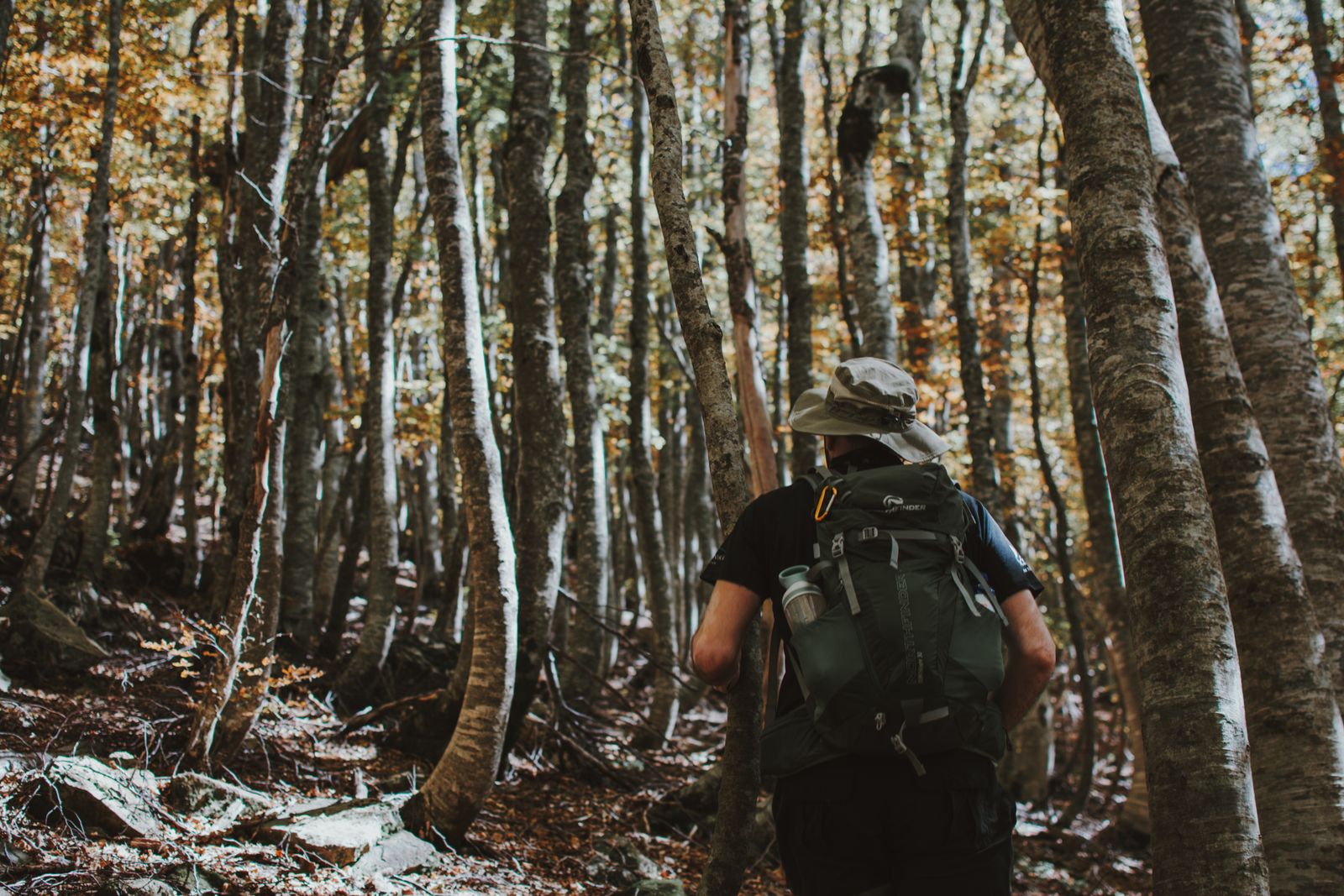
Fifty degrees is the hardest temperature to dress for. At 30°F you bundle up; at 70°F you strip down. At 50°F, you’ll be sweating on the climb and shivering at the viewpoint — sometimes within the same hour. The answer isn’t a single perfect outfit. It’s a layering system you adjust as conditions change.
Quick answer: For hiking in 50°F, wear a breathable synthetic or merino base layer, hiking pants, and merino socks; pack an insulating mid-layer (fleece or light puffy) and a wind/rain shell for stops and summits. Start the hike slightly cool, add layers when you stop, and never wear cotton.
The core principle: dress for the second mile, not the parking lot
The classic 50°F mistake is dressing for how you feel standing at the trailhead. Within 10–15 minutes of climbing, your body generates serious heat — start comfortable and you’ll be soaked in sweat by mile two. The rule: be bold, start cold. You should feel slightly underdressed for the first five minutes. If you’re cozy at the car, you’re overdressed for the climb.
The corollary: the moment you stop — viewpoint, lunch, summit — put a layer on immediately, before you feel cold. Once you’re chilled, it takes real effort to warm back up.
The 50°F layering system
Base layer (worn): A lightweight long-sleeve synthetic or merino top. Long sleeves at 50°F are usually right — they manage sun and temperature swings better than short sleeves, and you can push them up. Merino regulates across a wider temperature range; synthetic dries faster when you sweat hard. Either beats cotton absolutely — cotton holds moisture against your skin and loses all insulation when wet.
Bottom (worn): Lightweight synthetic hiking pants. At 50°F most hikers are happier in pants than shorts — wind, brush, and shaded trail sections all run colder than the forecast suggests. High-exertion hikers who run hot can do shorts with a wind layer in the pack.
Socks: Midweight merino wool hiking socks — the sweat-to-chill cycle of 50°F hiking is exactly what merino handles best. Our sock guides cover the moisture-management details.
Mid-layer (packed): A 100-weight fleece or lightweight puffy jacket. Fleece breathes better while moving; puffy packs smaller and is warmer for the weight at rest. One of them lives in your pack from the trailhead.
Shell (packed): A packable windbreaker at minimum; a rain jacket if there’s any chance of precipitation. At 50°F, wind is the real enemy — a 15 mph breeze makes 50°F feel like the low 40s, and a shell blocks it completely.
Accessories: the small stuff that matters most
- Hat or buff: you lose meaningful heat from your head and neck, and a buff weighs an ounce. Bring one.
- Light gloves: 50°F with wind on an exposed ridge will numb your fingers. Liner gloves live in a hipbelt pocket.
- Sunglasses: fall and spring sun at 50°F is still strong, especially with any snow or light rock around.
Adjusting through the day: the layer dance
Think of it as a routine, not a decision:
- Climbing hard, sunny: base layer only, sleeves pushed up, shell off.
- Entering shade or wind picks up: shell on over base layer.
- Stopping for more than 5 minutes: mid-layer on immediately, then shell over it if windy.
- Summit/views: full system — base + mid + shell. This is the coldest part of the day despite the sun.
- Descending: you’ll generate less heat going down. Keep the mid-layer on longer than you think.
The hikers who are comfortable at 50°F aren’t wearing better clothes — they’re adjusting more often. Two minutes of layer management beats an hour of being cold.
50°F edge cases
50°F and raining: This is genuinely dangerous territory — wet + wind + 50s is textbook hypothermia weather. Full rain gear (jacket AND pants), mid-layer stays on, keep moving, and know your bailout points. Take this seriously.
50°F and sunny, no wind: Base layer and hiking pants, maybe shorts. The shell stays in the pack as insurance. Best-case 50°F hiking.
50°F at the start, 65°F by afternoon (or reverse): Shoulder-season classic. The system handles it — you’re just doing the layer dance more often. This is why every layer must be packable.
Desert 50°F: Mornings in canyon country can be 50°F and afternoons 80°F. Start with the mid-layer, strip to base by 10 AM, and watch the sun — desert 50°F mornings have intense UV.
50°F at camp: the overnight factor
If your 50°F hike ends at a campsite, the evening is a different problem. Once the sun drops and you stop moving, 50°F feels genuinely cold — this is when beginners get miserable. The fix: change into your dry sleep clothes immediately (never sleep in what you hiked in), put on every warm layer you brought, and eat a hot dinner. A warm meal raises your core temperature more than any jacket. Keep the puffy and warm hat within arm’s reach for the 3 AM chill, and vent your tent just enough to manage condensation without inviting the cold in.
What not to wear
- Cotton anything. Jeans, cotton hoodies, cotton tees — they absorb sweat, stay wet, and turn a breezy 50°F into a miserable one.
- A heavy winter jacket. You’ll overheat in 20 minutes, then have a bulky, sweaty coat to carry. Light layers beat one heavy one.
- Brand-new boots. Temperature-appropriate clothing can’t save feet in unbroken footwear — see our blister prevention system.
FAQ
Is 50 degrees cold for hiking? It’s the deceptive middle. You’ll be warm climbing uphill and chilled within minutes of stopping, especially with wind or sweat. 50°F demands a layering system rather than a single outfit — the hikers who suffer are the ones dressed for the trailhead, not the ridgeline.
Should I wear a jacket hiking in 50-degree weather? Bring one, but don’t start in it. Begin the hike slightly cool in your base layer — you’ll warm up within 10 minutes of climbing. Keep an insulating mid-layer and a wind/rain shell in your pack for stops, summits, shade, and descents.
What pants should I wear hiking in 50 degrees? Lightweight synthetic or softshell hiking pants are ideal. Shorts work for high-exertion hikers who run warm, but pants protect against wind, brush, and the temperature drop in shade. Zip-off pants are a legitimate 50°F cheat code.
Do I need a rain jacket if it’s 50 and sunny? Yes — pack it. At 50°F, an unexpected shower or wind shift can push you toward hypothermia fast, because wet skin in wind loses heat dramatically. A 6-ounce packable shell is the cheapest insurance in your kit.
What socks are best for 50-degree hiking? Midweight merino wool hiking socks. They insulate when damp, breathe when you’re warm, and handle the sweat-to-chill cycle of 50°F hiking better than any other material. Never cotton — it stays wet and cold against your skin.
Related guides
- 10 Essentials Hiking Checklist — the insulation and shell systems
- How to Prevent Blisters Hiking — foot comfort in shoulder seasons
- Best Hiking Socks for Sweaty Feet — moisture management deep-dive
Frequently asked questions
Is 50 degrees cold for hiking?
It’s the deceptive middle. You’ll be warm climbing uphill and chilled within minutes of stopping, especially with wind or sweat. 50°F demands a layering system rather than a single outfit — the hikers who suffer are the ones dressed for the trailhead, not the ridgeline.
Should I wear a jacket hiking in 50-degree weather?
Bring one, but don’t start in it. Begin the hike slightly cool in your base layer — you’ll warm up within 10 minutes of climbing. Keep an insulating mid-layer and a wind/rain shell in your pack for stops, summits, shade, and descents.
What pants should I wear hiking in 50 degrees?
Lightweight synthetic or softshell hiking pants are ideal. Shorts work for high-exertion hikers who run warm, but pants protect against wind, brush, and the temperature drop in shade. Zip-off pants are a legitimate 50°F cheat code.
Do I need a rain jacket if it's 50 and sunny?
Yes — pack it. At 50°F, an unexpected shower or wind shift can push you toward hypothermia fast, because wet skin in wind loses heat dramatically. A 6-ounce packable shell is the cheapest insurance in your kit.
What socks are best for 50-degree hiking?
Midweight merino wool hiking socks. They insulate when damp, breathe when you’re warm, and handle the sweat-to-chill cycle of 50°F hiking better than any other material. Never cotton — it stays wet and cold against your skin.