
Best Base Layer for Cold Weather Hiking 2026: 5 Compared
The 5 best cold-weather hiking base layers of 2026 — Smartwool, REI, Minus33, Patagonia, Kari Traa — fabric weights, prices, and warmth compared.
In this guide
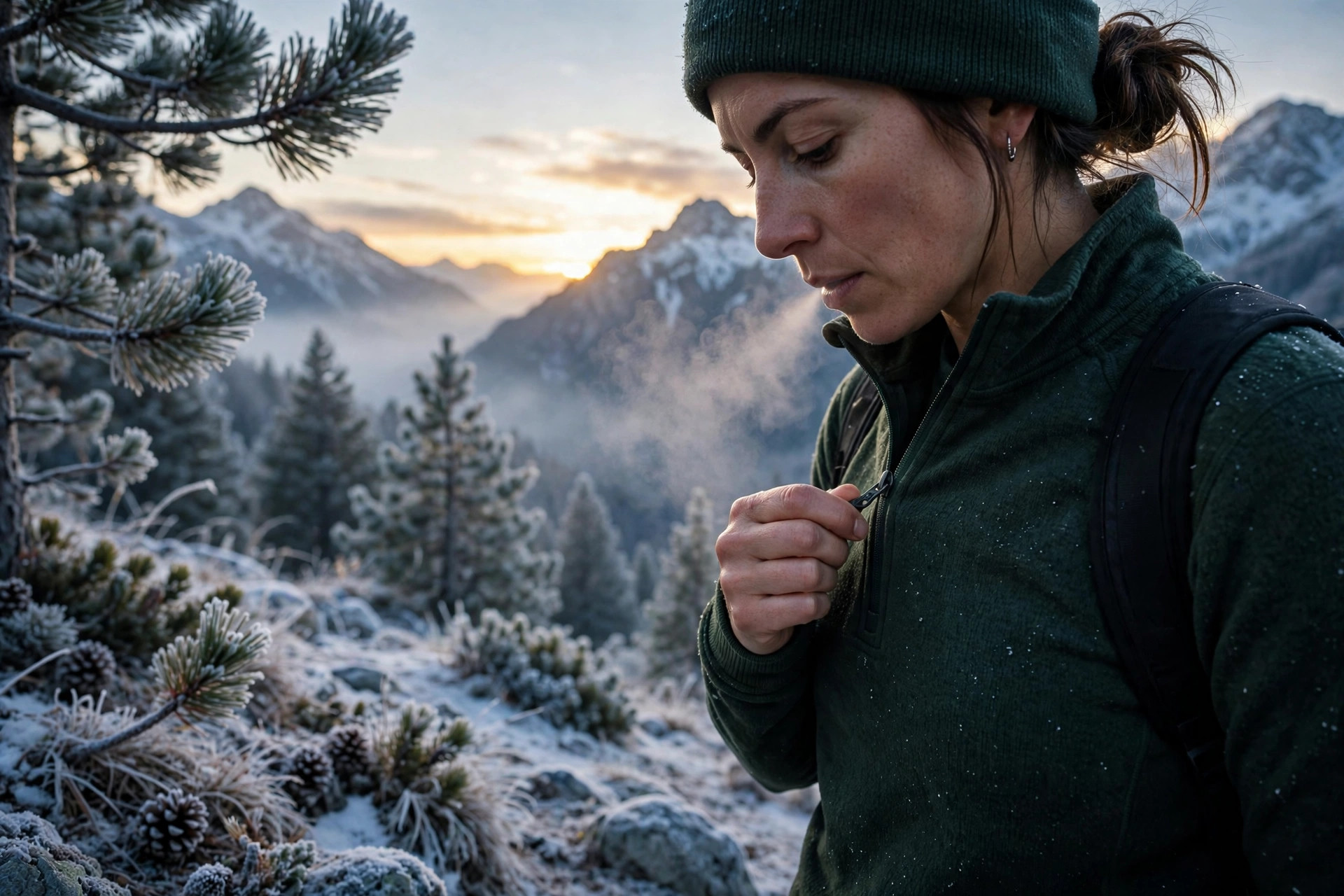
Quick answer: Buy the Smartwool Classic Thermal Merino 1/4 Zip ($130) — 100% merino at a true midweight 250 g/m², warm enough for cold trailheads yet breathable on climbs, with odor resistance that survives multi-day trips. Below: 5 base layers ranked, with the wool-vs-synthetic trade-offs made plain.
Disclosure: Trail Tested is reader-supported. When you buy through links on this page, we may earn a commission at no extra cost to you. Learn more. All picks are compiled picks — researched from verified buyer reviews, independent review labs, and manufacturer specs, not hands-on testing. See how we pick gear.
Contents
- Smartwool Classic Thermal Merino 1/4 Zip — Best Overall ($130)
- REI Co-op Midweight Base Layer Top — Best Budget ($64.95)
- Minus33 Chocorua Midweight Crew — Best Value Merino ($80–$90)
- Patagonia Capilene Midweight Zip-Neck — Best for High Output ($95)
- Kari Traa Rose Half Zip — Best for Women (~$110)
- Merino vs. synthetic: how to choose
- Spec comparison
- How we picked
- Tested & dismissed
- FAQ
The 5 best cold-weather hiking base layers of 2026
Smartwool Classic Thermal Merino 1/4 Zip — Best Overall ($130)
Check price- Price: $130
- Fabric: 100% merino wool, 250 g/m² interlock
- Weight: 10.5 oz men’s / 8.3 oz women’s
- Fit: Slim, shoulder panels for pack straps
- Cut options: 1/4 zip and crew, men’s and women’s
What we like
- A true midweight 250 g/m² interlock — genuinely warm on 20°F trailheads, not marketing-warm
- Slim fit keeps the fabric on your skin where it wicks; shoulder panels survive pack straps
- 100% merino means multi-day odor resistance — the layer thru-hikers wear for a week straight
- The 1/4 zip dumps heat fast on climbs and zips up for summit stops
What we don’t
- Pure merino is less abrasion-resistant than merino/nylon blends — it pills under rough pack straps over time
- The slim cut runs close; hikers who like room should size up or pick the crew
- At $130 it’s a real investment for a first layer
Why it’s a compiled pick: Review labs keep landing in the same place — this is the benchmark cold-weather base layer. The fabric weight is honest, the fit is dialed, and the long-distance community has worn it through thousands of trail miles.
REI Co-op Midweight Base Layer Top — Best Budget ($64.95)
Check price- Price: $64.95 (crew) / $70 (half-zip)
- Fabric: 92% recycled polyester, 8% spandex — 220 g/m²
- Weight: ~220 g for the top
- Fit: Semi-fitted with thumbholes and flat seams
- Cut options: Crew and half-zip, men’s and women’s
What we like
- Half the price of the merino picks with midweight warmth to match — the value math is undeniable
- Peached interior feels soft against skin, not plasticky; flat seams sit well under pack straps
- Thumbholes and a zip option at $70 mean no budget-feature compromises
- Bluesign-certified, mostly recycled fabric
What we don’t
- Synthetic stink is real — by day two or three it needs a wash, no matter the marketing
- Thicker synthetics dry slowly for a synthetic; it stayed damp through a 45-minute break in independent tests
- Snug semi-fitted cut runs warm when effort spikes — it’s a cold-day layer, not an all-day one
Why it’s a compiled pick: The rare budget pick with no disqualifying flaw. It doesn’t dominate any metric, but for the day hiker who wants dependable cold-weather warmth without the merino tax, it’s an easy yes.
Minus33 Chocorua Midweight Crew — Best Value Merino ($80–$90)
Check price- Price: $79.99–$89.99 (varies by size and color)
- Fabric: 100% merino wool, 245 g/m² interlock, 18.5 micron
- Sizes: XS–6XL plus tall sizes — the widest range here
- Fit: Regular, tagless with flatlock seams
- Cut options: Crew only (no zip version)
What we like
- Nearly the Smartwool’s fabric — 245 g/m² of 100% merino — for $25–$35 less
- The XS–6XL plus tall range fits bodies the big brands ignore
- Machine washable and dryable per the maker; tagless flatlock seams prevent pack-strap chafing
- 4.7-star average across 729 verified buyer ratings
What we don’t
- 18.5-micron wool is slightly coarser than the finest merinos — noticeably less buttery than the Smartwool
- Crew only, no zip, no thumb loops — spartan on features
- Sold mostly through Amazon with prices that drift by size and color
Why it’s a compiled pick: This is the merino-for-everyone play: real midweight wool, honest price, and a size range that ends the “nothing fits me” problem. The missing zip is the only meaningful compromise.
Patagonia Capilene Midweight Zip-Neck — Best for High Output ($95)
Check price- Price: $95
- Fabric: 100% recycled polyester, 140 g/m²
- Weight: 5.9 oz men’s — the lightest here
- Fit: Athletic, with a deep zip-neck for venting
- Cut options: Zip-neck and crew, men’s and women’s
What we like
- The fastest-drying layer on this page — sweat moves and clears while you’re still climbing
- At 140 g/m² it’s the only light/mid hybrid: warm enough for cold starts, cool enough for aerobic days
- Polyester shrugs off brush and pack straps that pill merino
- Deep zip-neck vents more heat than any 1/4 zip here
What we don’t
- 140 g/m² is thin for true cold — below 25°F you’ll want a heavier layer or a warmer mid layer over it
- The synthetic odor clock is the shortest here — plan on one day, two at most
- At $95 it’s priced like merino while smelling like polyester by evening
Why it’s a compiled pick: For the hiker who generates their own heat — steep climbs, trail running, ski touring — nothing beats it. The lightest, fastest-drying, toughest layer here; just don’t ask it to be a multi-day garment.
Kari Traa Rose Half Zip — Best for Women (~$110)
Check price- Price: ~$110
- Fabric: 100% merino wool with 4-way stretch
- Fit: Women’s-specific slim fit, gusseted underarms
- Cut options: Women’s only — the one pick designed for women first
What we like
- A genuinely women’s-cut base layer — princess-panel shaping and hip-length cut that layers cleanly
- 100% merino with 4-way stretch moves with you; gusseted underarms add ventilation where it counts
- The half-zip collar zips high enough to skip a neck gaiter in moderate wind
- Holds up to seasons of skiing and snowshoeing without pilling out
What we don’t
- The torso runs a touch short — taller hikers report retucking through the day
- Women’s only, so half the audience shops elsewhere
- No stated fabric weight makes it hard to compare warmth head-to-head with the graded picks above
Why it’s a compiled pick: Most base layers are men’s patterns scaled down; this one was designed for women from the first sketch. For cold-weather hiking, the fit advantage matters more than another 10 g/m².
Merino vs. synthetic: how to choose
The five picks split into two camps, and your trip decides the winner:
Choose merino (Smartwool, Minus33, Kari Traa) if you’re out for multiple days, hate laundry, or run cold. Wool holds warmth when damp and stays smell-free far longer — it’s why thru-hikers live in it. Pay the merino tax once; the layer pays you back for years.
Choose synthetic (REI, Patagonia) if you’re a day hiker, a heavy sweater, or budget-focused. Synthetics dry faster, cost less, and survive abuse that pills wool. Just accept the smell: bring a wash plan, not a nose.
Spec comparison
| Base layer | Price | Fabric | Weight (g/m²) | Best for |
|---|---|---|---|---|
| Smartwool Classic Thermal Merino 1/4 Zip | $130 | 100% merino | 250 | Overall cold-weather hiking |
| REI Co-op Midweight Base Layer Top | $64.95 | 92% recycled poly / 8% spandex | 220 | Budget cold days |
| Minus33 Chocorua Midweight Crew | $80–$90 | 100% merino | 245 | Value merino, wide sizes |
| Patagonia Capilene Midweight Zip-Neck | $95 | 100% recycled poly | 140 | High-output, fast drying |
| Kari Traa Rose Half Zip | ~$110 | 100% merino | N/A (midweight) | Women’s fit |
How we picked
We filtered for base layers actually built for cold-weather hiking — not fashion thermals — with verifiable specs and US availability as of October 2026. Then we scored on:
- Fabric weight honesty — midweight means 190–260 g/m². Layers marketed as “thermal” with lightweight fabric were cut.
- Warming efficiency — merino’s warmth-when-damp and synthetic’s dry speed were both scored; neither material gets a free pass.
- Fit for layering — next-to-skin contact for wicking, flat seams for pack comfort, zips that actually vent.
- Odor management — multi-day wearability matters on real trips; this is merino’s biggest structural edge.
- Value — price per gram of fabric honesty. A $150 layer needs to clearly beat the $130 benchmark to survive.
- Trail consensus — we weighted models with real thru-hiker and winter-hiking track records over spec-sheet-only picks.
We did not hands-on test these base layers. Every spec comes from manufacturer listings and retailer pages, and every verdict is compiled from verified buyer reviews and independent review labs — see the data sources at the bottom.
Tested & dismissed
Icebreaker 200 Oasis Crewe — a fine layer, but at 200 g/m² it’s really a shoulder-season piece; the 260 Tech version that would compete here costs notably more. Neither lands in the sweet spot this page covers.
Arc’teryx Rho LT — excellent synthetic at 190 g/m², but at $100 it competes directly with the Capilene Midweight while costing more and drying no faster. The badge isn’t worth $5–$35.
Smartwool Intraknit Thermal ($150) — the tech is real (body-mapped knit, lighter at the same warmth), but it’s a $20 tax on our Best Overall for gains most hikers won’t feel. Premium without a payoff.
FAQ
What base layer weight do I actually need for hiking in 30-degree weather? Midweight, 220–250 g/m², is the sweet spot at 30°F — warm enough for breaks, breathable enough on climbs. Four of our five picks sit exactly there. Go lighter (150 g/m²) if you run hot or the hike is all aerobic; go heavier (260+ g/m²) only for low-output days below 20°F.
Is merino wool or synthetic fabric better for a cold-weather hiking base layer? Merino wins on odor resistance and warm-when-damp comfort; it stays wearable for days without washing. Synthetic wins on drying speed, durability, and price. High-output hikers who sweat hard often prefer synthetic; multi-day backpackers almost always choose merino. There’s no universal winner — only the right one for your trip.
Is a half-zip base layer worth it, or is a crew neck enough for winter hiking? The half-zip earns its small premium on cold climbs: unzip for airflow on ascents, zip up for the summit stop. If your hikes are flat or you run cold even while moving, a crew saves a few dollars. For stop-and-go mountain hiking, the zip is the most-used feature you’ll own.
How many base layers should I pack for a three-day winter backpacking trip? Two — one to hike in, one dry one to sleep in. A third adds real weight for little gain, since a good merino layer stays socially acceptable for days. Pair them with an insulating mid layer and a shell, and rotate the dry set into sleep duty each night.
Can I really wear a merino base layer for several days without washing it? Yes — that’s merino’s superpower. The fibers naturally resist odor-causing bacteria, and most hikers report 3–5 days of wear before a wash. Rinse it in a stream (200 feet from water, per Leave No Trace) and it dries fine. Synthetics can’t match this; they smell by day two.
Related guides
- Best Down Jacket for Hiking Under $150 (2026) — the mid layer that goes over these base layers on truly cold days
- Best Rain Jacket for Hiking Under $100 (2026) — the shell that completes the cold-weather layering system
- What to Wear Hiking in 50-Degree Weather — when a lightweight base layer is all you need
Heads up: some links on this page are affiliate links — if you buy through them we may earn a commission at no extra cost to you. Learn more.
Frequently asked questions
What base layer weight do I actually need for hiking in 30-degree weather?
Midweight, 220–250 g/m², is the sweet spot at 30°F — warm enough for breaks, breathable enough on climbs. Four of our five picks sit exactly there. Go lighter (150 g/m²) if you run hot or the hike is all aerobic; go heavier (260+ g/m²) only for low-output days below 20°F.
Is merino wool or synthetic fabric better for a cold-weather hiking base layer?
Merino wins on odor resistance and warm-when-damp comfort; it stays wearable for days without washing. Synthetic wins on drying speed, durability, and price. High-output hikers who sweat hard often prefer synthetic; multi-day backpackers almost always choose merino. There’s no universal winner — only the right one for your trip.
Is a half-zip base layer worth it, or is a crew neck enough for winter hiking?
The half-zip earns its small premium on cold climbs: unzip for airflow on ascents, zip up for the summit stop. If your hikes are flat or you run cold even while moving, a crew saves a few dollars. For stop-and-go mountain hiking, the zip is the most-used feature you’ll own.
How many base layers should I pack for a three-day winter backpacking trip?
Two — one to hike in, one dry one to sleep in. A third adds real weight for little gain, since a good merino layer stays socially acceptable for days. Pair them with an insulating mid layer and a shell, and rotate the dry set into sleep duty each night.
Can I really wear a merino base layer for several days without washing it?
Yes — that’s merino’s superpower. The fibers naturally resist odor-causing bacteria, and most hikers report 3–5 days of wear before a wash. Rinse it in a stream (200 feet from water, per Leave No Trace) and it dries fine. Synthetics can’t match this; they smell by day two.